X-Files mythology, TenThirteen Interviews Database, and more

Archive for August, 2025

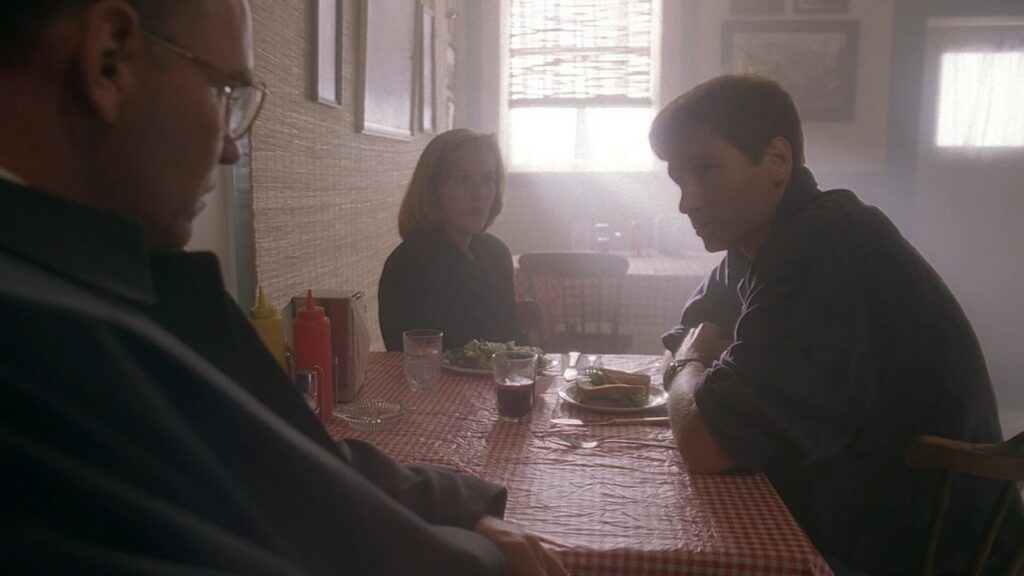
Interview: Chris Carter on “Triangle”

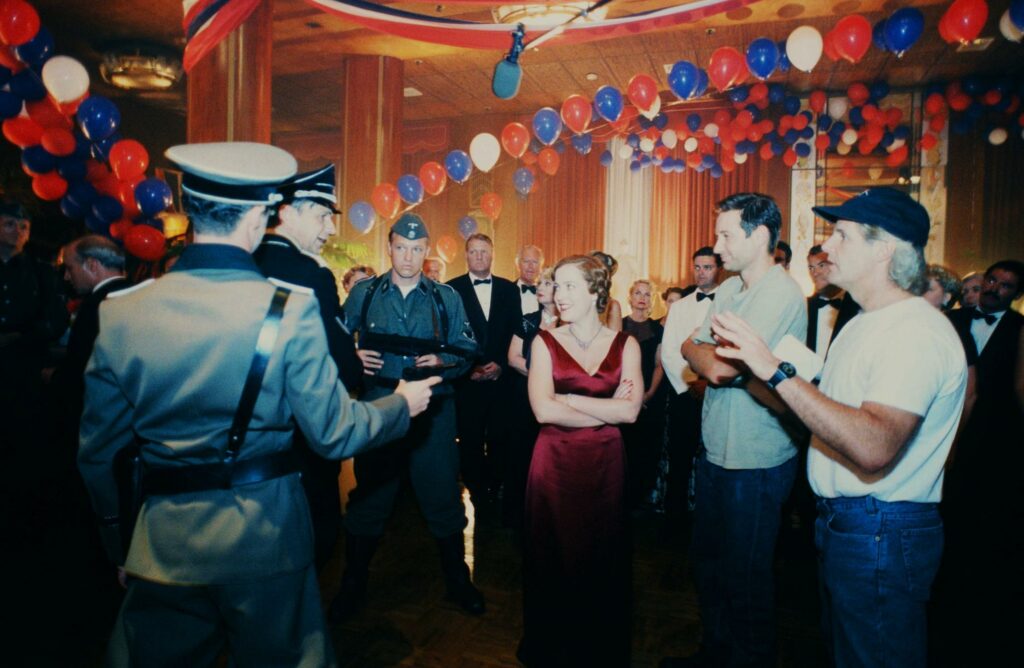
Recently, the “X-Files Diaries” podcast interviewed Chris Carter on his season 6 directorial riff on Hitchock’s “Rope”, the excellent fan-favorite “Triangle”! Carter was glad to get into the details here, on story choices, on technical details of making the episode itself, and reflecting back on the series that we cherish so many years later. Some insights on the larger structure of the series too — MSR and the mythology! Here is my summary/notes:

  • He got the technical details of one camera reel holding 12 minutes while shooting in Vancouver. 
  • He was interested in World War 2, and wanted to see TXF characters as a Nazi, a double agent, M&S saving the world. 
  • He slept aboard the Queen Mary while shooting. 
  • Bill Roe was the new director of photography. The problem was how to set up the lights when the shot shows everything. 
  • He imagined it as set during night, but night also helped with hiding some cuts.
  • Unheralded crew members for this episode in particular: steadicam operator Dave Luckenbach and focus puller Trevor… [No Trevor or focus puller is credited for the episode, unfortunately!]
  • They just shot the episode and there was no space to edit, miraculously it added up to the exact 45 minutes needed! 
  • David Nutter taught him how to block scenes, “the master”. 
  • Production designer Korey Caplan gave him a paper with the set drawings, he did the choreography of the scene on paper.
  • Moving to LA, Michael Watkins and Bernie Caulfield replaced Bob Goodwin to run the day-to-day business. 
  • Praise for Kaplan. The trashed ballroom was made and unmade in hours. 
  • The “Wizard of Oz” references were added in in order to fit in all the cameos. 
  • The original script had Fowley as the ballroom singer. He doesn’t remember if it was actor availability or budget that cut her. 
  • Mulder’s line for “what’s your name?” “John Brown. Ask me again, and I’ll knock you down. / Puddintame. Ask me again and I’ll tell you the same.” was from a 70s TV show, he doesn’t remember which! It was an inside joke with childhood friends. [Apparently it’s a quite old children’s rhyme from the US. There was even a 1960s Alley Cats song that used it!]
  • The move to LA was a lot of work. During the Vancouver days he used Air Canada like a Greyhound bus. 
  • He always wanted to shoot in the Queen Mary
  • About the fan theory that the whole of season 6 was a dream: “I don’t know that we were so organized.” Things were made up on the fly. [I find that quite telling, on how well-planned everything was — or not! — and this can apply to the mythology as well.]
  • If he wanted to have writing done, he’d have to do it before the phone rang. He’d get up early, get a Starbucks in Venice exit to Santa Monica at 4 am, becoming friends with the homeless, at 5 am he’d be at the office, and write till 9 am, then deal with the other parts of the job. 
  • The FBI elevator shot, the set was redressed while the doors were closed. There was not enough time for many takes, thankfully DD & GA didn’t flub (make mistakes).
  • The velocity of the episode allowed to include hidden cuts. 
  • Mark Snow’s music: a riff on big band, 1940s music. The “Sing, Sing, Sing” song was in the script. 
  • The M&S kiss: did we get because it was not for real? “Definitely!” It was a 1940s movie kiss.
  • He rewatched the show from beginning to roughly end 2 years ago with his wife. The specifics of making it are all a blur. 
  • About the shipper teases: “Hats off to the writers” for telling TXF stories and weaving in those threads. [He’s one of the writers, but the congratulations are for the whole team of writers.]
  • They would often work on the mythology episodes together with Frank Spotnitz; they talked so much that the stories started to tell themselves. “The architecture of the mythology would oftentimes tell us rather than us tell it.” [How I would love to have a recording of one of those brainstorming sessions!]
  • “I love you” at the end: the entire episode is silly, it calls on them to act out of character. “We all know they both love each other”, it’s just not vocalized. It satisfied expectations, and takes some “devilish liberties” with the characters. 
  • Did it really happen? “It’s the ‘Wizard of Oz’!” [Take note, fans, not everything really needs to be unambiguous!]
Interview: Anne Simon

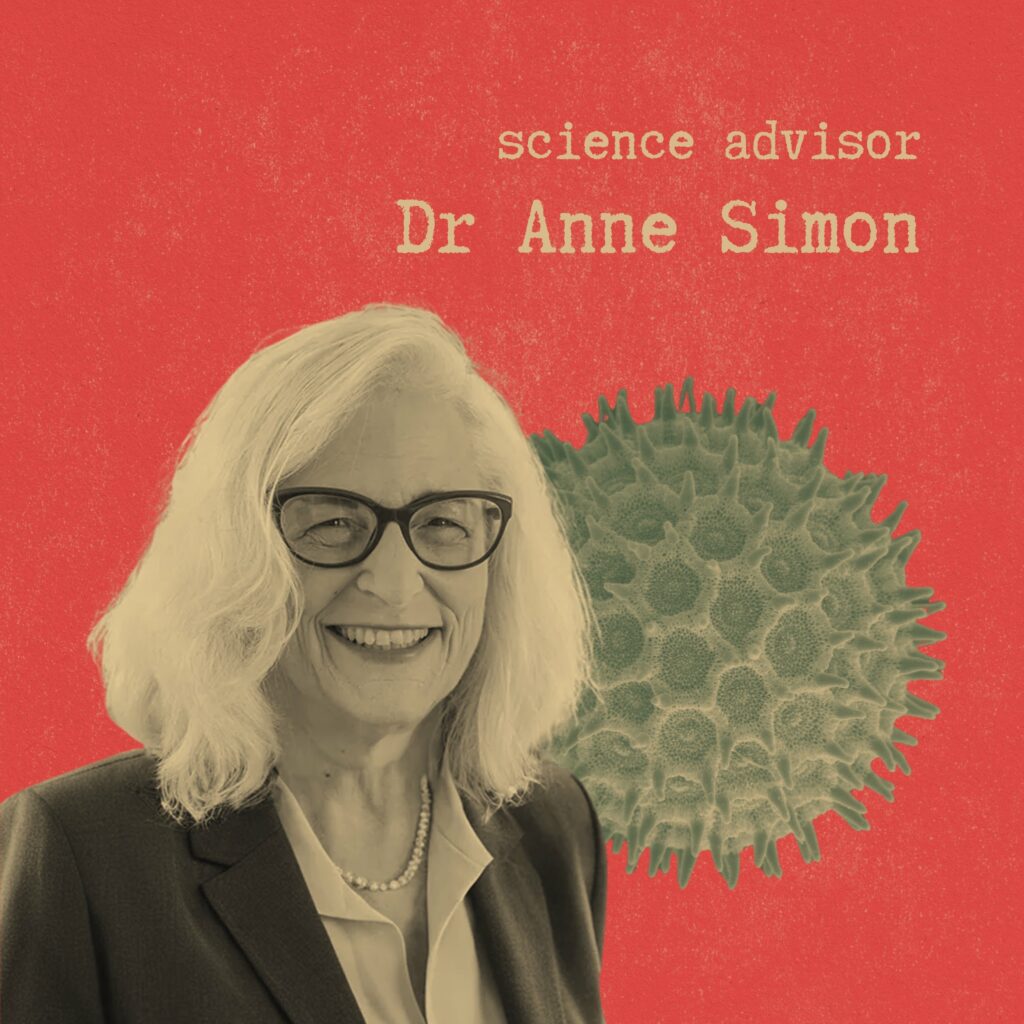
The “Hey Danny it’s Mulder” podcast interviewed Anne Simon, who was Chris Carter’s science advisor for much of the duration of the show and contributed with many realistic elements of the show’s mythology specifically.

What was discussed:

1X23: “The Erlenmeyer Flask“: plenty of contributions from her! The name of the episode itself, the solution contained in the flask that looks like “weak coffee” [“monkey pee” according to Scully], using an image of pollen for the alien bacteria, the two nucleotides as undeniable proof of alien DNA, the use of a scanning electron microscope, Carter naming the scientist “Anne Carpenter” after her…

4X01: “Herrenvolk“: using a real DNA sequence of cowpox virus just in case somebody would analyse it (which someone did of course!) to avoid having a random sequence like in Michael Crichton’s “Jurassic Park”.

5X02: “Redux“: the “blazing hot probe” story for the Southern blot test, which is normally done in two days but the script needed it to be done in four hours.

9X18: “Sunshine Days”: she and Margaret Fearon (TXF fan she met exchanging letters and became close friends with [a character in IWTB is named after her]) visited the set; they corrected several things in the set to make it more realistic (X-rays, position of the autopsied body, lab equipment…)

10X6: “My Struggle II“: all the details of CRISPR, Spartan virus (Margaret came up with the name), inserting the virus together with the smallpox vaccine, everything that got her and Margaret a writing credit for the episode. For the trigger for the loss of the immune system, she had many ideas around air pollution and climate change; but Carter wanted to use chemtrails specifically [it’s not very clear what the trigger was in the final episode].

[As noted in my My Struggle II analysis, this is all great science but it poses an issue of logic. It’s interesting that Carter asked them to come up with a way to have the virus and gene mutation inserted in all humans *specifically decades ago* and not recently: so the CSM’s Spartan virus plan was indeed set up a long time ago and that’s not a mistake or an overlooked detail. The CSM’s plan was in place decades ago, all the while the preparations for colonization and the hybridization experiments were taking place. This is all very difficult to reconcile: if the Spartan plan is in place and can destroy humanity, what’s the point of all the experiments related to colonization that we were presented for nine seasons?]

On scientists’ representation on-screen and scientists’ desire for a more realistic portrayal, on the Scully effect and the many times she became aware of it during her career.

But most importantly, Simon discusses the dire state of science funding in the new Trump administration, and how the United States is sabotaging itself by turning its back on science, and how a new generation of students is seeing its funding for research being taken away and its interest in science waning. [Progress based on science greatly helped make the American Empire during the 20th century. Now the situation is reversed and the US’s star, as a global beacon for people around the world and very practically as a leader of global affairs, is waning.]

More about Anne Simon on Eat The Corn:

https://www.heydannyitsmulder.com/episodes/episode7

https://open.spotify.com/episode/5IVTvR1RJSCDxdmxql7CFB

Interview: Ken Harwyliw

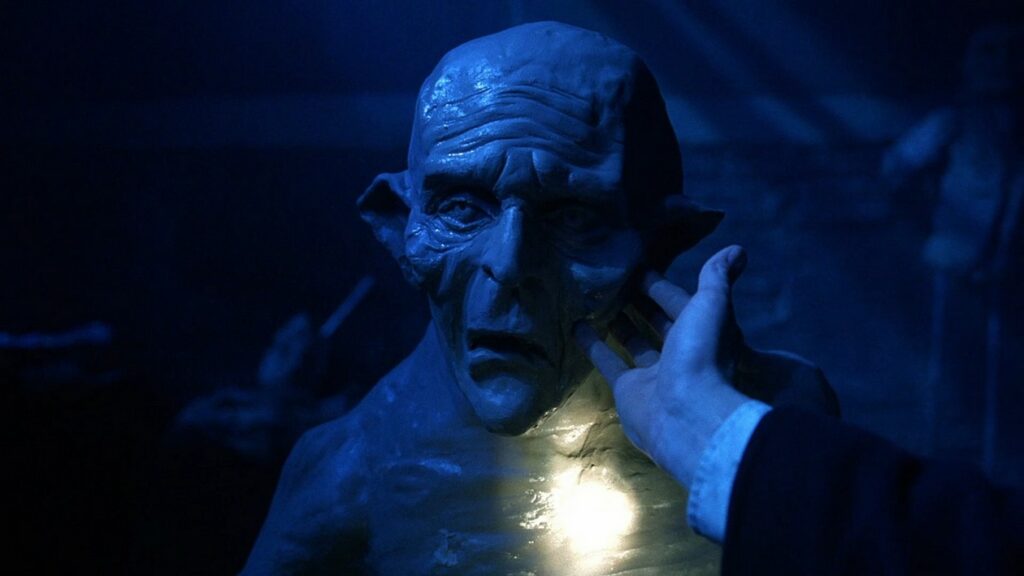
Another great interview by the X-Files Fan Retrospective documentary team, this time with Ken Hawryliw, props master for seasons 1-5. This is relatively fresh off another detailed interview with him and he still has many stories to tell.

Notes below [with some comments]:

  • He hit it off very well with Chris Carter, he knew all about the sources for the mythology/conspiracy and the UFO lore. Both had seen a TV rerun of the “Mysterious Island” (1961) with Ray Harryhausen stop-motion effects which inspired them to get involved in the movie business. [I grew up with that movie too!]
  • Early on, Paul Rabwin was busy and Ken would be the one directing the insert shots; then he was stopped because he was not part of the directors guild.
  • It was shot on 35mm film. The mandate to all teams was to do work that would be worthy of a feature film. The props were made so they would hold up to high definition.
  • By season 5 the props team grew to 15 people, they had 1st unit, 2nd unit, an inserts unit, a photos unit. By then he’d rarely have the time to show up on set himself, he was too busy with prep [preparation of an episode before shooting takes place]. Shooting the photos [which were then used as props, like crime scene photos or evidence or portraits] was just as important as the main work, because it was guaranteed that these photos would get an extreme closeup shot and would drive the story.
  • The biggest compliment for him was that sometime in season 3 Chris stopped coming to the “show and tell” meetings, where the props were shown to the director and producers, he was trusting him.
  • Shooting “Blood”: they spent 2 days shooting crime scene photos. The director David Nutter called Ken to show him the dailies: they had used all the many photographs, in slow panning shots, to show him that his work was appreciated. [That must have been the shots during Mulder’s profiling early in the episode.]
  • Don McGill was the on-set props guy.
  • Shooting “Fearful Symmetry”: Ken had worked with the person in the gorilla suit before in “The Clan of the Cave Bear” (1986) and that person had previous similar experience [Ken is not credited in that movie, and the person that is credited in the episode, Jody St Michael, either…I suppose a lot of people with small roles go uncredited !]. That person asked for a toy prop for the gorilla to play with. A props guy was sent off to buy it; the director of photography John Bartley purposefully delayed the lighting setup just so much so that the props guy would have time. They made it just in the nick of time. There was a lot of solidarity between the teams, everyone was doing their best.
  • Shooting “Ice”: the episode was airing that Friday and on Wednesday he was still shooting two insert shots. It was too late to ship the reels to LA, they sent them via optic fiber. They made it just in time to be inserted into the already edited episode.
  • “It was ordered chaos.”
  • Importance of doing research pre-internet. Amazing help of researcher Jeanne Lister who eventually joined them [she is also credited only in two episodes, but obviously she worked on much more]. The story of an army Colonel in DC that got them the photos they wanted, for what the security police at Andrews Air Force Base looked like [see other interview for details; still unclear which episode this refers to, not “Deep Throat” as Lister was not preseant that early, possibly “The Red and the Black”]. They had a great relationship with the military. The relationship with the FBI had ups and downs, there was a before and an after Waco; some years they had props with “US Bureau of Investigations”, others “FBI”.
  • Ken designed the props too, not the art department. He worked with production designer Richard Hudolin as an art director and learned a lot. [They share some credits in the 1980s like “Stakeout”; Hudolin was also the production designer in “Stargate SG-1” and they worked together again in RDM’s “Battlestar Galactica”.]
  • On designing the faceless alien fire wand: Chris told him to “make it look like it came out of the same factory as the stiletto”. [to keep a consistent look for alien tech, or is there more to this?]
  • There was no 3D printing, it was all done on a CNC mill and a lathe, they worked a lot with metal.
  • Preference of doing practical effects over CGI. Importance of prep. Attention to detail.
  • The philosophy with Carter was that, if you made the show look as realistic and true as possible, then the viewer would be ready to follow you on the supernatural ride.
  • He learned everything about props and props design thanks to watching as a kid all the 1960s Irwin Allen shows on TV: “Voyage to the Bottom of the Sea”, “Lost in Space”, “The Time Tunnel”, and the 1966 “Batman”. He has put various Easter eggs in his shows to those inspirations.

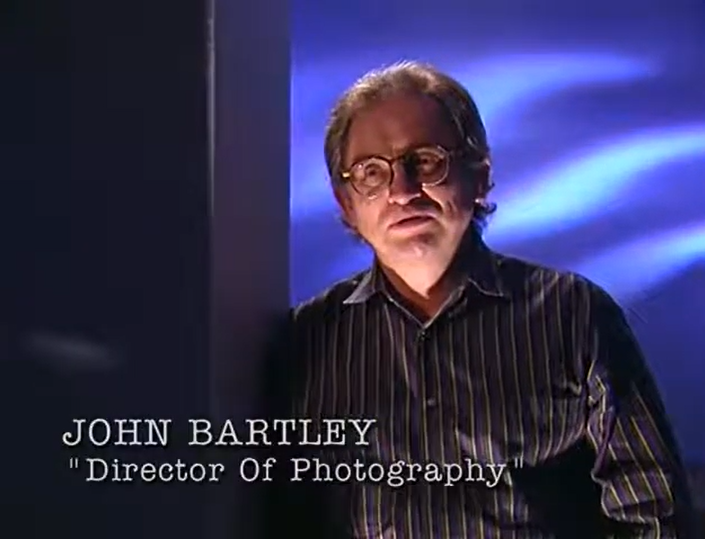
RIP cinematographer John Bartley

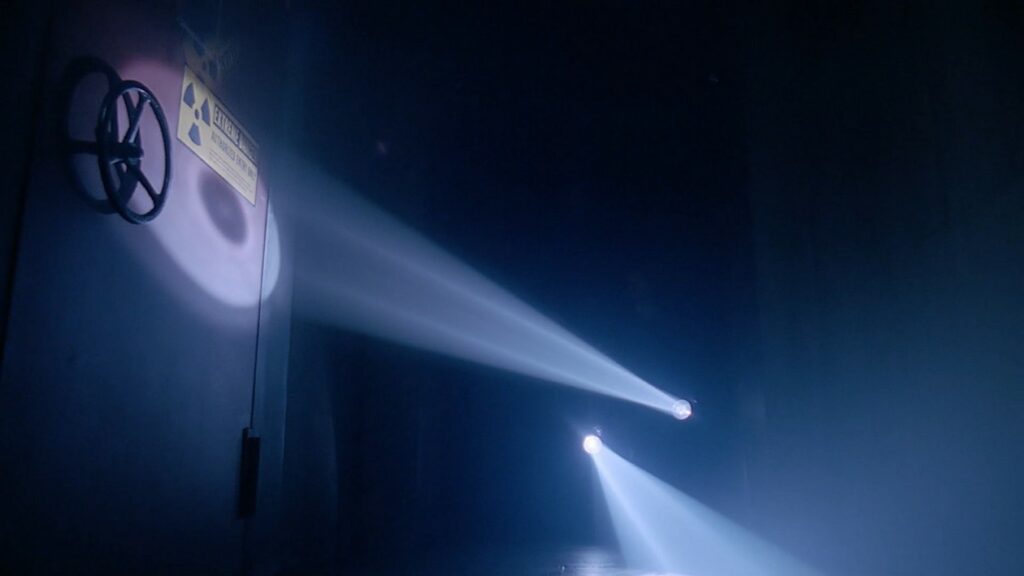
Another death in the Ten Thirteen family! 2025 is a tough year. Cinematographer John S. Bartley (ASC, CSC) died at age 78, as reported by an ASC memorial. As the director of photography for a show known for its cinematic look, he was one of the most important people involved in The X-Files. He defined the look of the show with its characteristic use of darkness, heavy contrast and abstract light sources. His use of darkness was so extensive and unprecedented that he won the nickname “Prince of Darkness” among the crew! He also introduced the definitive Xenon flashlights for Mulder and Scully and experimented with color (see episodes like “3”).

“The X-Files uses darkness as a character”

“we didn’t have any money, and that had a lot to do with the look. Most of our sets weren’t finished; if you looked down the end of a hallway, there was nothing there, or there might be the sets of some other production, so we’d put something down there like a bright light or an object that couldn’t be identified.”

He was originally from New Zealand. Taking over from Tom Del Ruth who shot the pilot, Bartley was brought over to the show by producer Bob Goodwin. He started work with the first episode, “Deep Throat”, and stayed for the first three seasons, for a total of 72 episodes. He was nominated for an Emmy Award in season 2 (for “One Breath”) and won it in season 3 (for “Grotesque”). According to IMDB, his daughter Amanda was an extra in the opening of “Talitha Cumi” (and was later second unit assistant director in the second movie!). When Bartley left in the fourth season, the producers struggled to replace him, alternating between Ron Stannett and Jon Joffin before settling with Joel Ransom for the rest of the Vancouver years. Bartley went on to work on shows like “Roswell”, “Lost” and “Bates Motel”.

“I still remember shooting episode six that was directed by David Nutter. It was called ‘Ice.’ I think that episode took the series to the next level. David pushed the envelope and challenged me to make every shot better. We blended light and darkness. The audience saw some things, and they weren’t sure whether they saw other things. That added to the aura of mystery.”

We owe it partly to Bartley that the show was shot on 35 mm and looks as great as it does in high definition.

“The show is shot on 35mm film for a couple of reasons. Fox wanted to shoot the show in Super 35 format, providing a wide frame for future HDTV syndication. Using a large negative also gives Bartley the freedom to work with low-key lighting and maintain the richness of the show’s high-impact images. ‘If we were shooting in a smaller format, we’d need a lot more light to keep grain from building up. That means we’d have to give up our minimalist approach to low-key lighting. We’ve done many scenes with just practicals. That’s living on the edge.'”

Read more interviews on Eat The Corn from 1995 and from 2011.

Watch an extensive interview for the Archive of American Television from 2009.

Watch him comment on his work in a season 3 behind the scenes short.

Here is a small sample of Bartley’s immense work on the series:

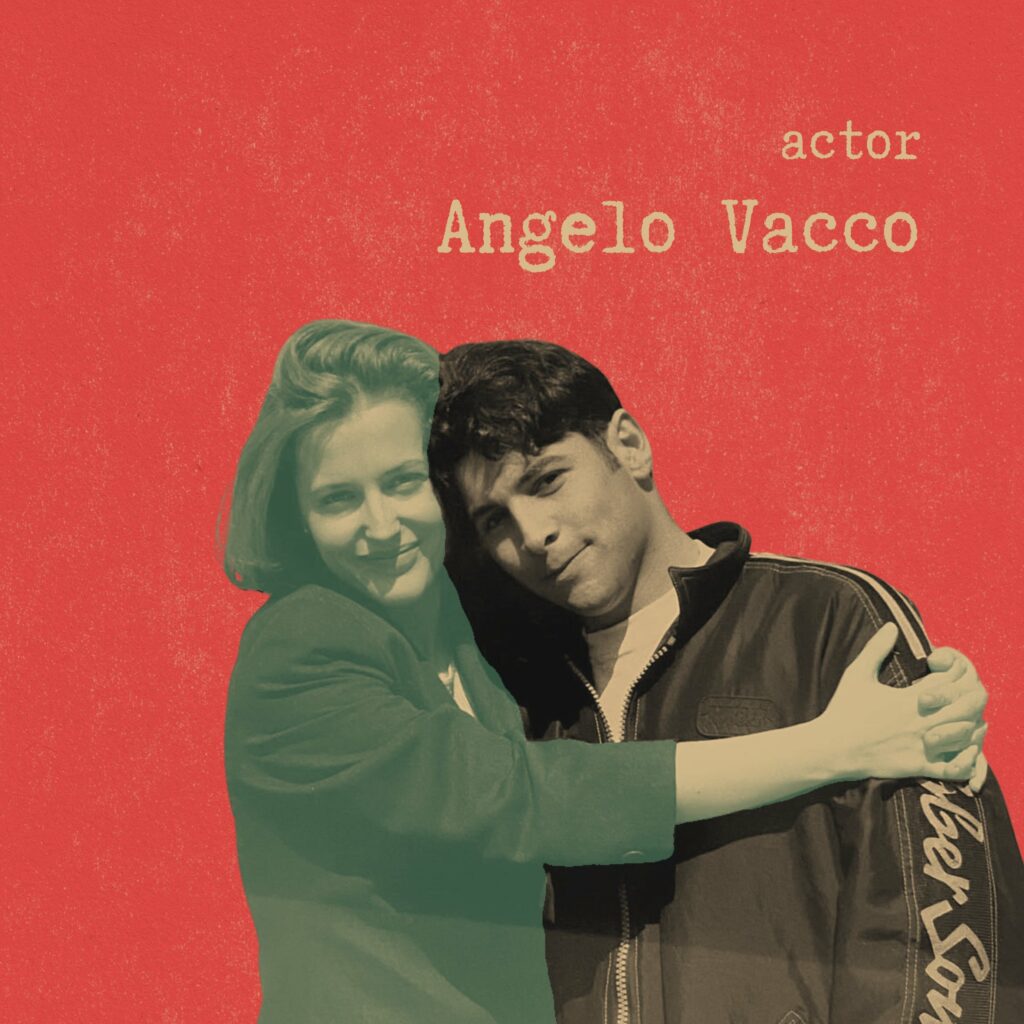
Interview: Angelo Vacco, PA and photographer

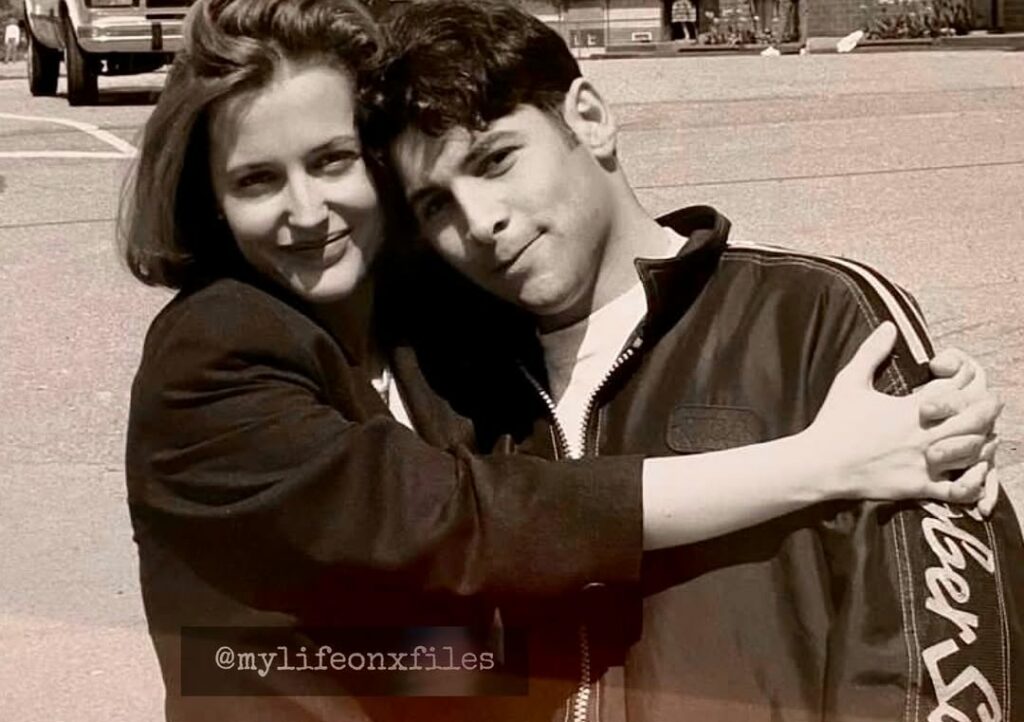
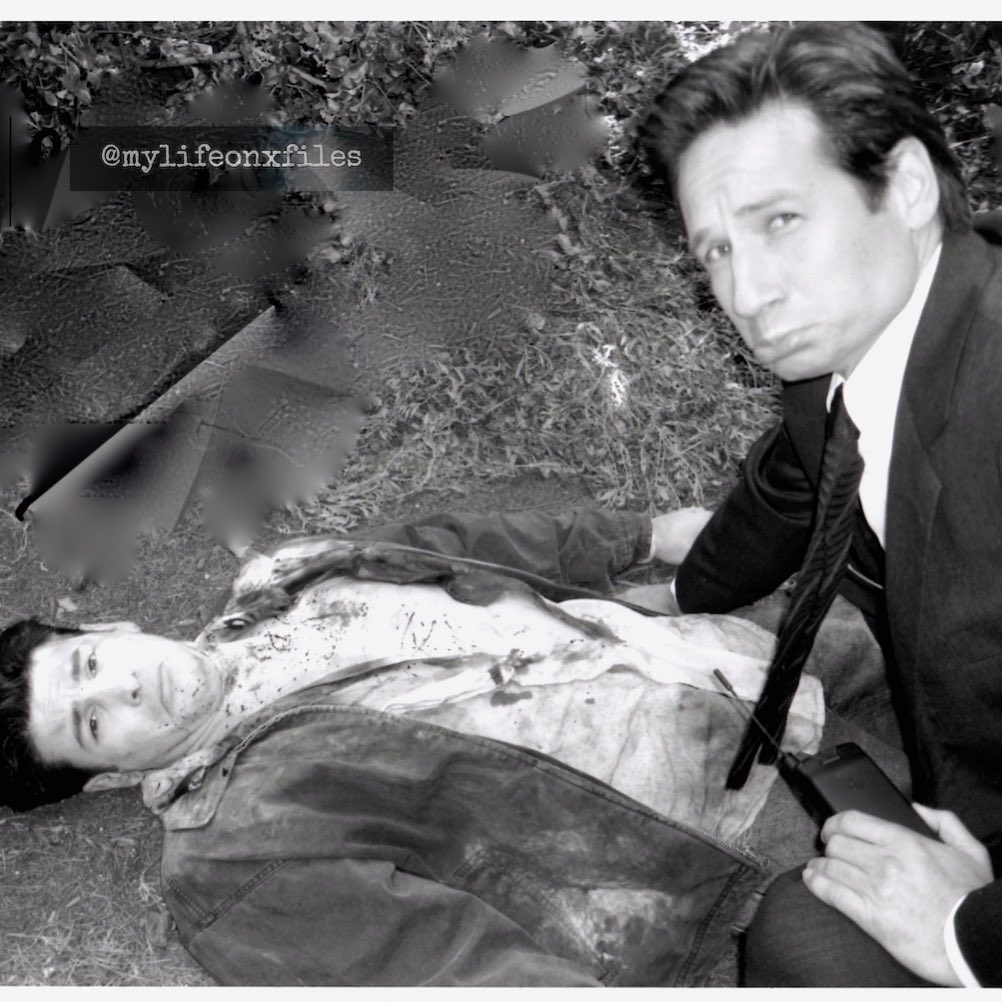
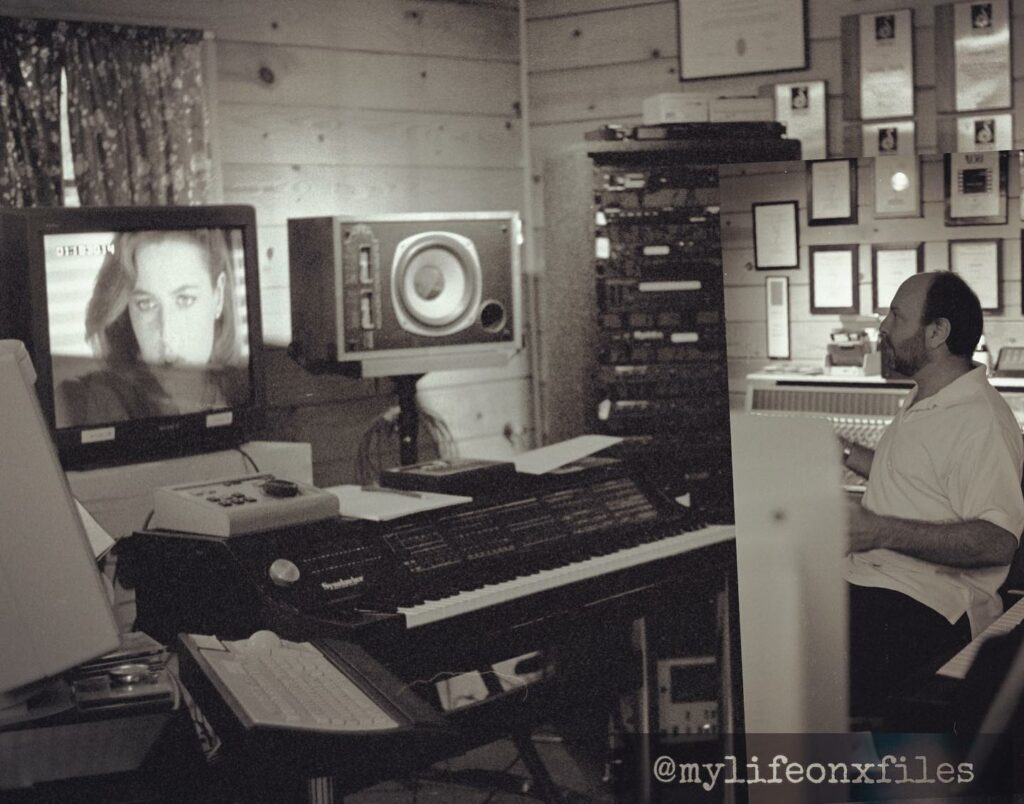
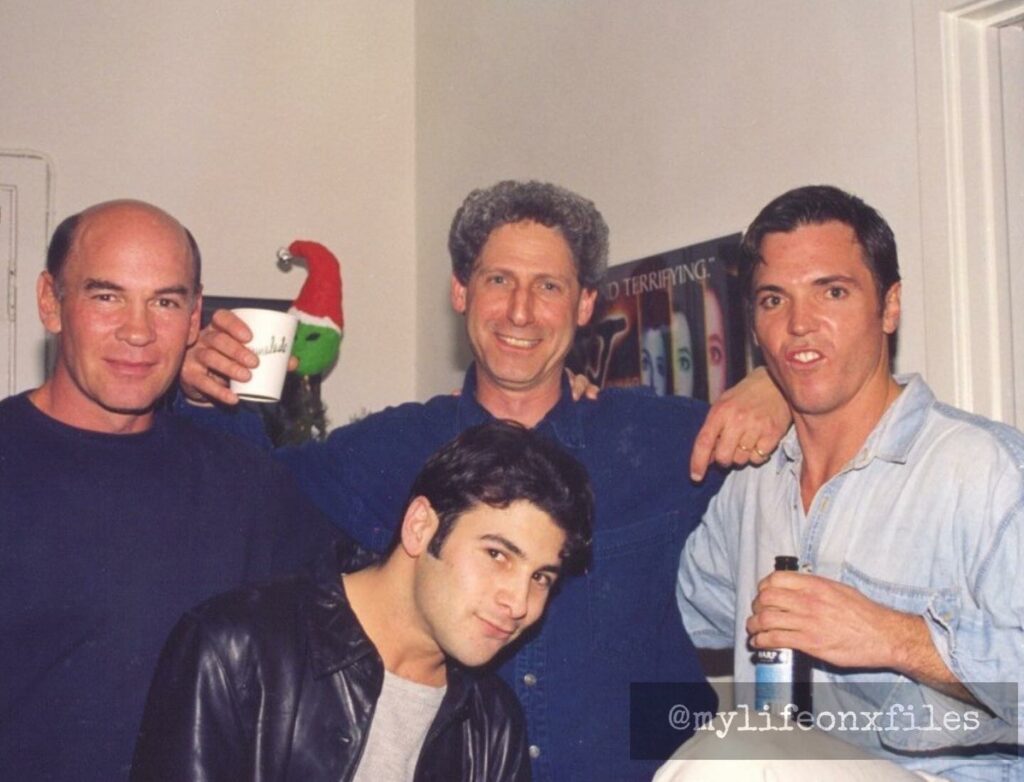
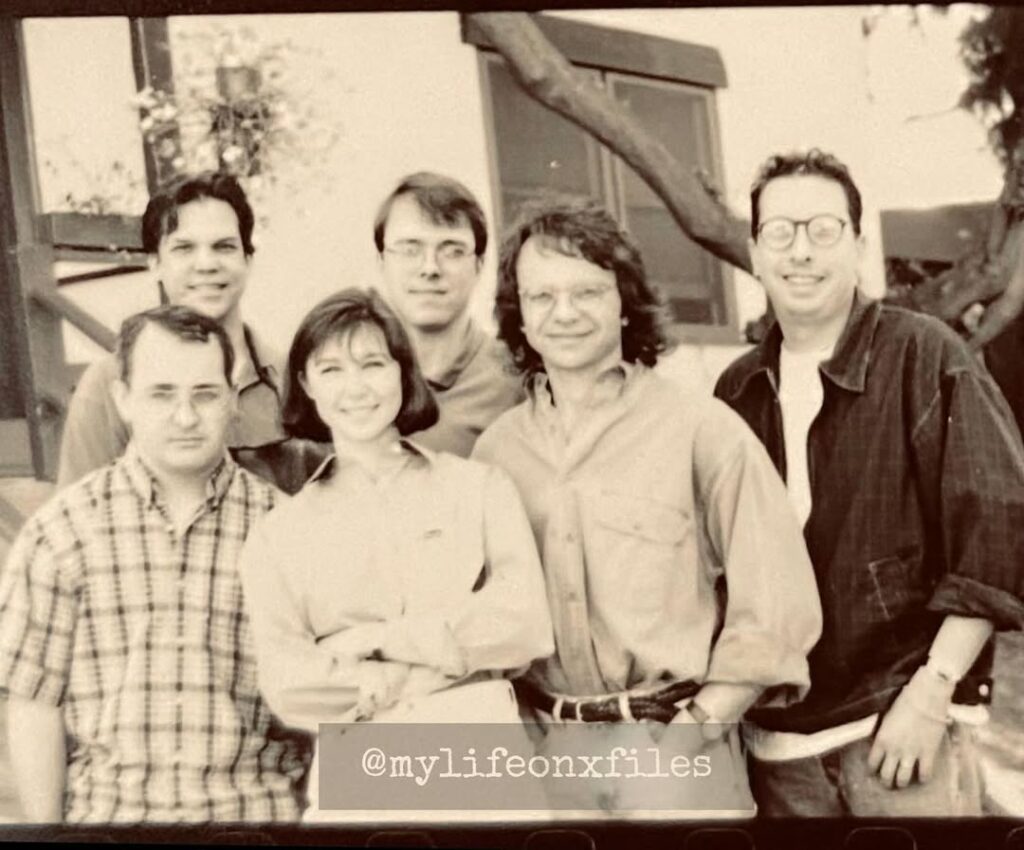
The “Hey Danny, it’s Mulder” podcast did a nice little interview with Angelo Vacco, who was a production assistant for nearly the entire run of The X-Files, plus he had small roles on the series: a gas station attendant in “F. Emasculata”, a victim in “Milagro”, plus a doorman in “Talitha Cumi” and a bartender in “Improbable”. He also holds an Instagram account with his own photos from the making of the show: “My Life on X-Files“!

Here are the cliff notes:

  • Fresh from New York to Los Angeles, he wanted to be an actor. He didn’t know TXF at all. He approached production between seasons 1 and 2, he was 22. On his very first day, Joan (Chris Carter’s assistant) told him he would be a “temporary production assistant”, in the LA offices.
  • Typical tasks would be to get coffees, make photocopies, distribute scripts, get dailies from Vancouver to be screened to the LA producers and executives. Wash Carter’s car.
  • Eventually the producers had to make a decision on him. Howard Gordon said “we have to keep Angelo”. He ended up staying for 8 seasons!
  • In the early years, the LA crew were few people. The editing was done in a movable trailer on the Fox lot. Building 49, Carter’s office, was an old 1920s bungalow. There was no space on the Fox lots.
  • Working on TXF was a dream job. They were a work family, doing 16-hour days. 
  • He did photography, developed his own photos, and took a lot of photos while at work. Many of these can be seen on his Instagram, “My Life on X-Files”.
  • He met Carter when he was returning from shooting “Duane Barry” (the first episode he directed). The episode was initially named “Duane Garry” but they had to change it when they found there was a real FBI Agent named that. He asked if he could be an actor.
  • The “F. Emasculata” script reads about the gas station attendant, “he looks so much like Angelo Vacco we could swear it’s him”! So he didn’t audition for that role, but he did for the others.
  • The Vancouver pool of actors was small, so there was the “X-Files rep”, a répertoire of actors with repeat roles.
  • He auditioned for “D.P.O.”.
  • “Milagro” was shot in Griffiths Park. He did ADR on his own scream.
  • He has a lot of stories to tell about shooting the Bree Sharp music video for “David Duchovny, why won’t you love me?” song, where he is also credited. The video’s two directors were involved in Millennium (Will Shivers, uncredited?) and TXF (Charles/Chuck Forsch, assistant to Chris Carter and to the producers). It started as an end-of-season video made by the crew. Then Bree sent the song, it got to David. They did the music video on the Fox lot and hence got people like Brad Pitt (shooting Fight Club), Sarah Michelle Gellar (shooting Buffy), he drove around with the golf cart and just asked.
  • (See also David Duchovny’s recent interview with Bree Sharp on his podcast!)
  • Here’s the video, remastered by Lyle:
  • Angelo also works in ADR (automated dialogue recording) doing things like background conversations, voices of police officers on the radio, TV presenters. He has been doing work with the same ADR group for 25 years and he did ADR work for the TXF revival seasons
  • “Paul Rabwin knows everything” about making The X-Files. [somebody interview that man!]

Here’s a selection of Angelo’s photos, there’s much more on his account!

https://www.heydannyitsmulder.com/episodes/episode4

RIP main title designers Bryant and Johnsen

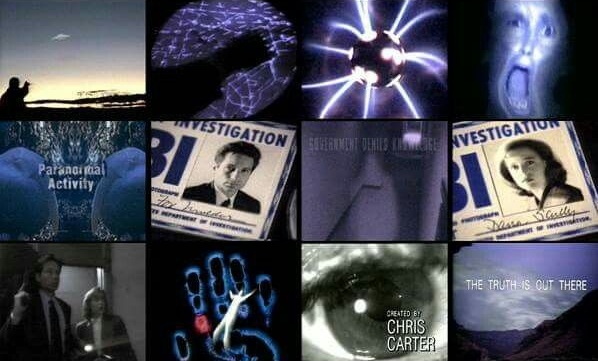
Bruce Bryant and Carol Johnsen were two of the three designers of the opening credits sequence of The X-Files. They were married since 1985 and both died within a few months of each other, in December and April.

Together with Jim Castle, they formed the company Castle/Bryant/Johnsen in 1987, which designed, produced and directed opening titles for hundreds of shows, such as Cheers, Frasier or The X-Files. In 1997 the trio continued as a duo, as Bryant/Johnsen Media Design. (Dates from Fandom.com)

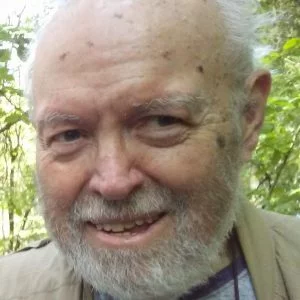
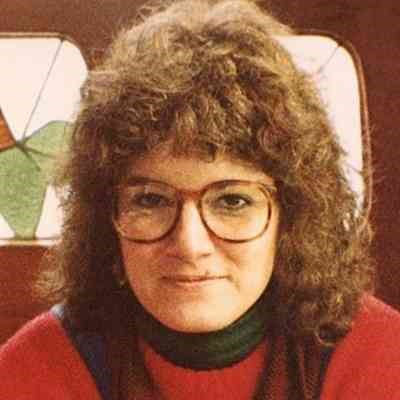
They had little online presence. The photos of them I could gather are from their obituaries, obviously from very different time periods. There’s nothing I can find about Jim Castle, either. Their professional website is accessible via archive.org.

In 2013 they did an interview for Empire, where they shed light on a lot of the details behind the opening credits of our favourite series — for which they received an Emmy Award. They appear several times in the credits! That’s Carol in that photo pointing to a UFO, and also as the figure falling into the hand, and that’s her eye at the end. Carol signed Scully’s badge and Jim Mulder’s. That’s Bruce as a ghost behind “Government denies knowledge”.

“We had a deadline of maybe a couple of months until the airdate.”
“Chris Carter had already designed the logo itself. So he gave us “The X-Files” in that typeface. Midway into the project, we were given Mark Snow’s theme tune. When we’re working on a project, we do like to have the music.”
“It helps us to create the cuts, the mood, the timing. Everything.”
“We’re enormously proud of our work on The X-Files. It won the show its very first Emmy.”

These opening credits are instantly recognizable and were definitely part of the show’s success in the 90s. As time passes, we continue to acknowledge, remember and cherish the people behind the scenes that contributed in making this show, especially those that are not as well-known at large.