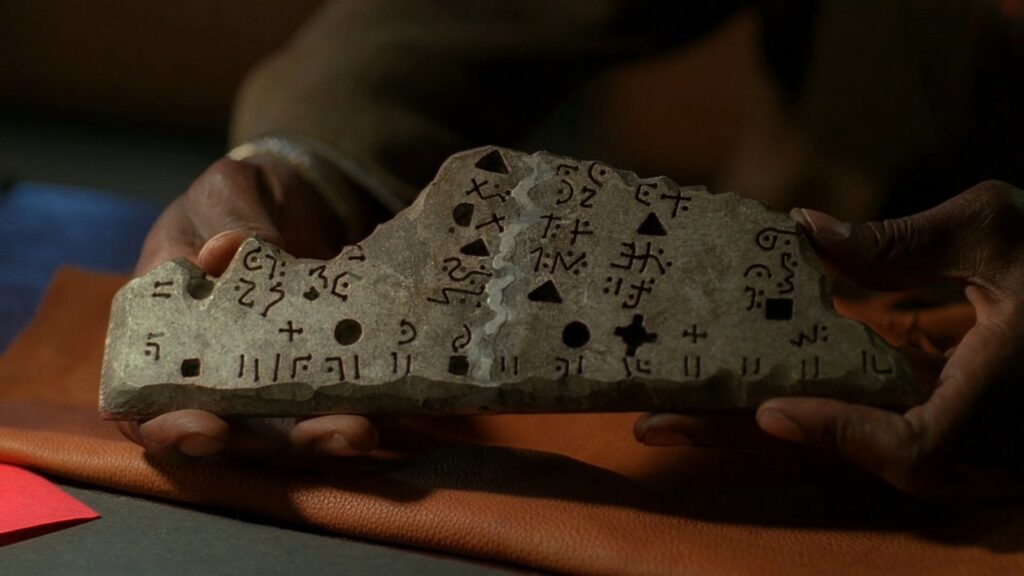
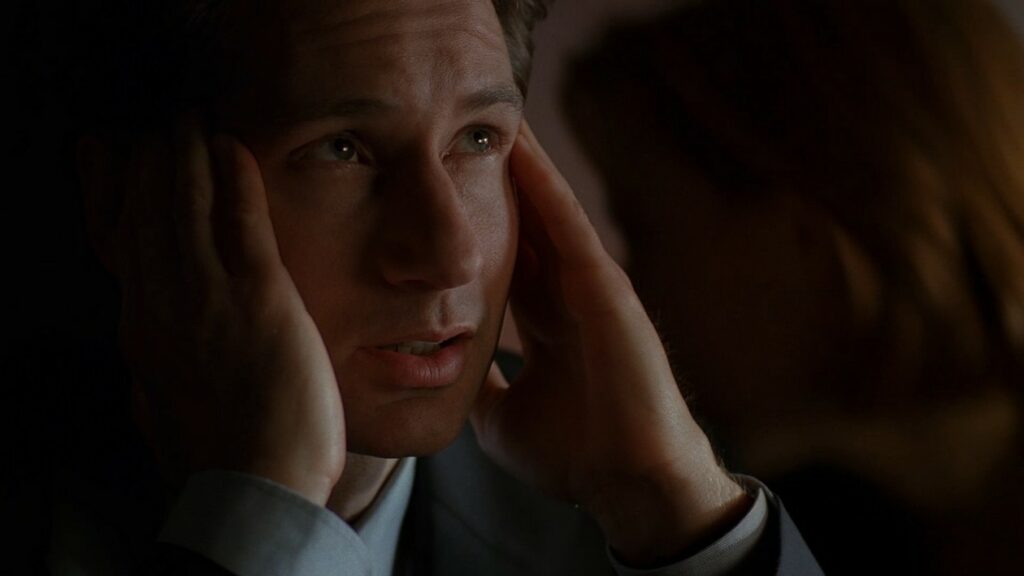
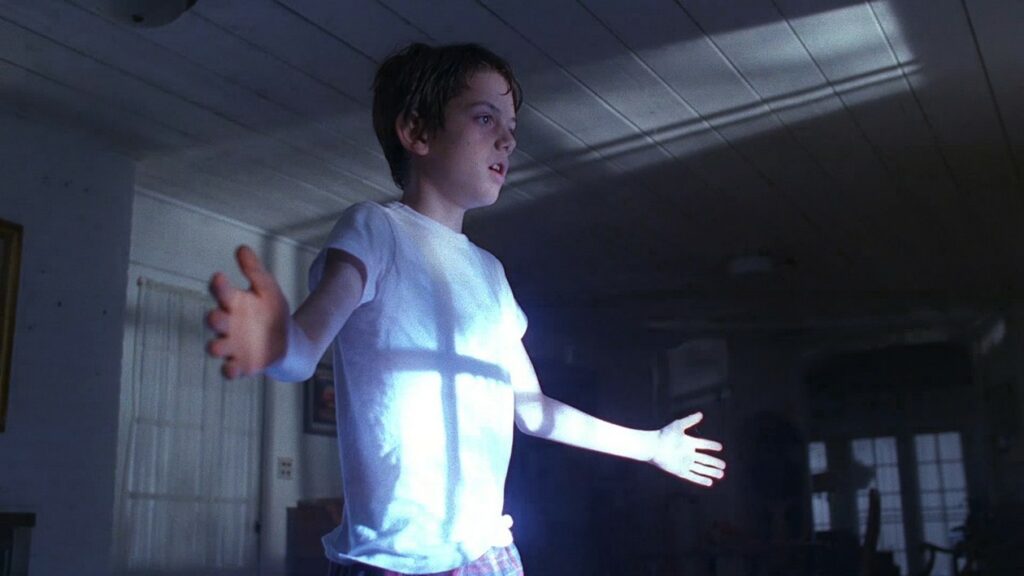
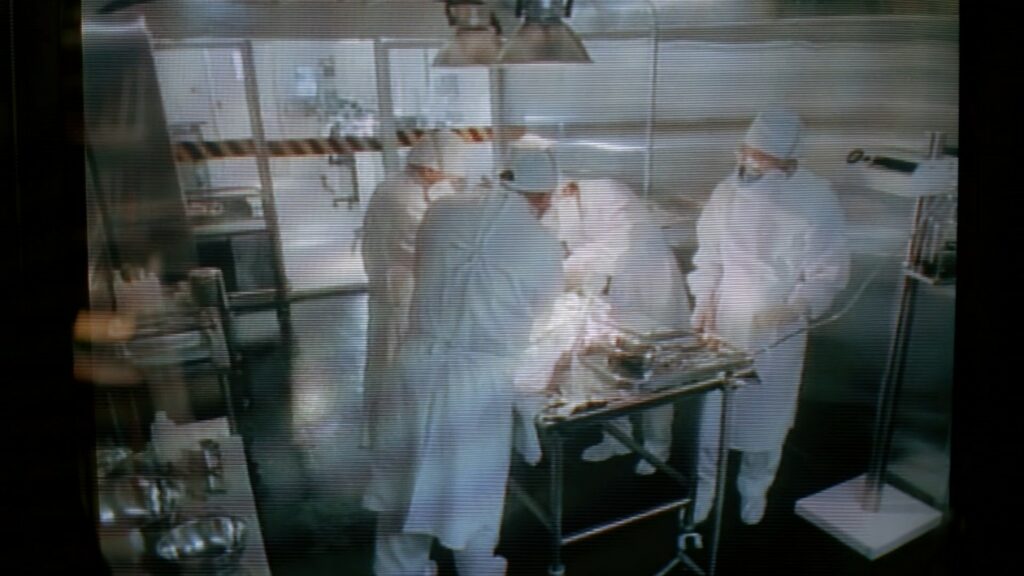
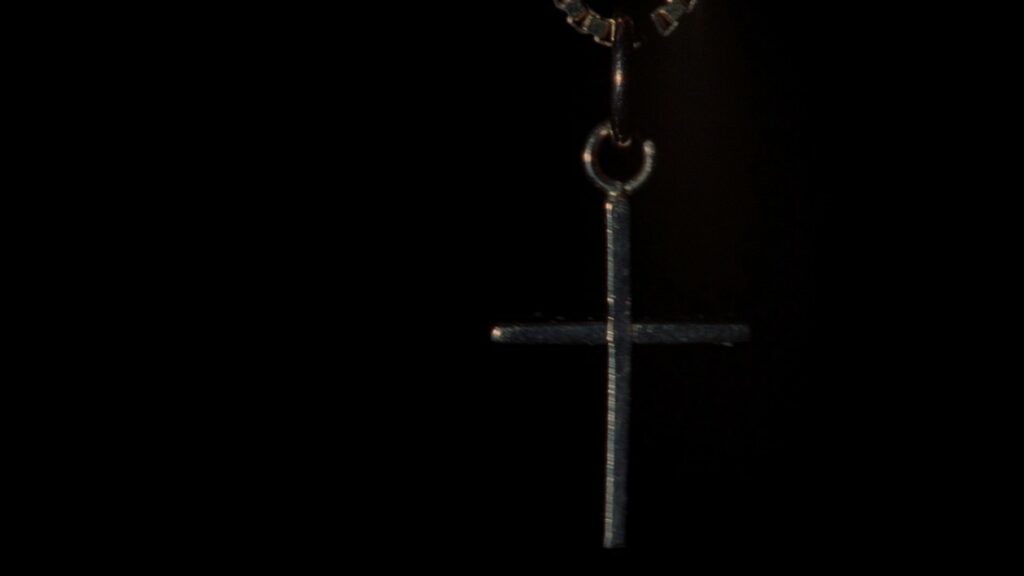
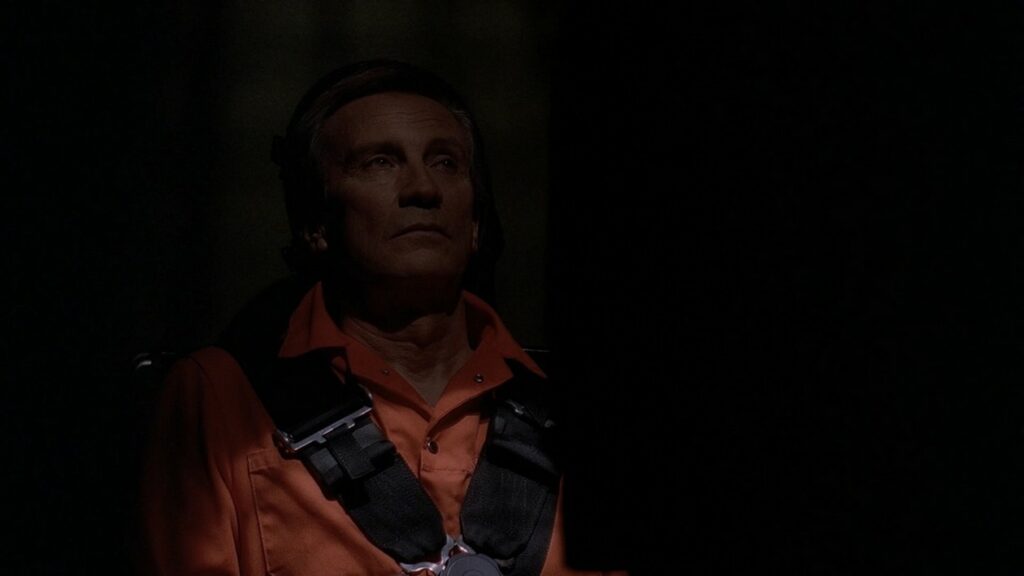
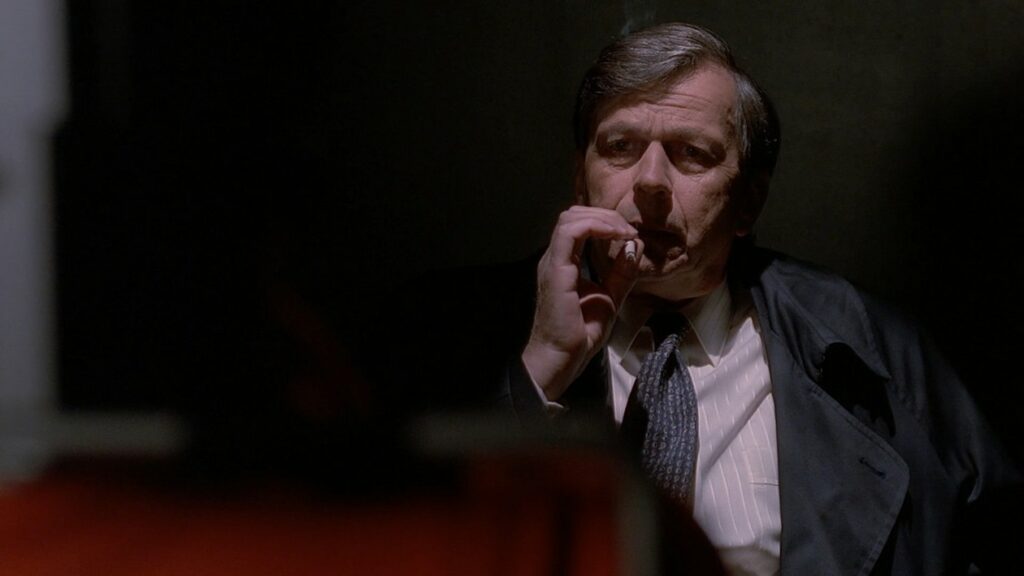
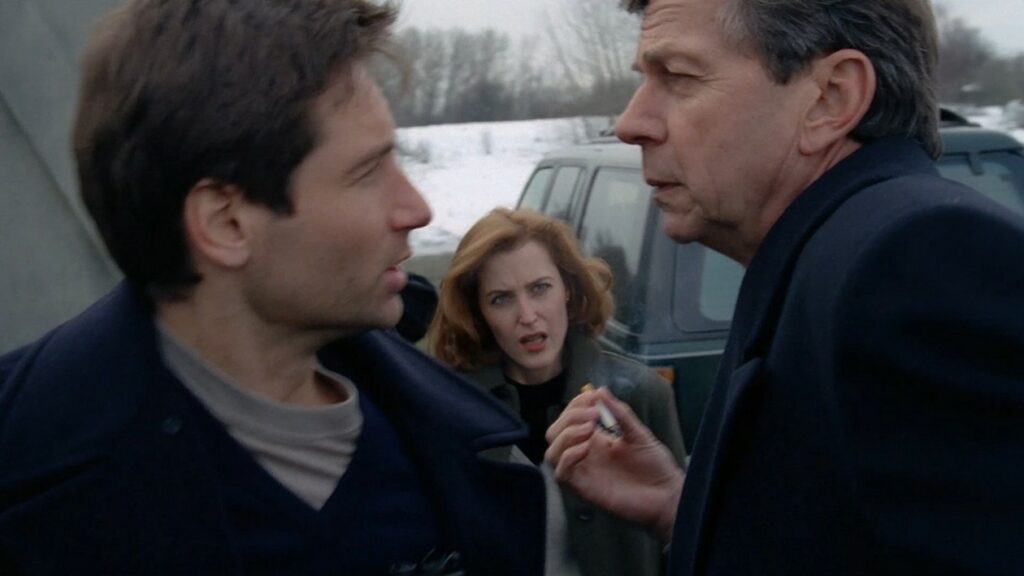
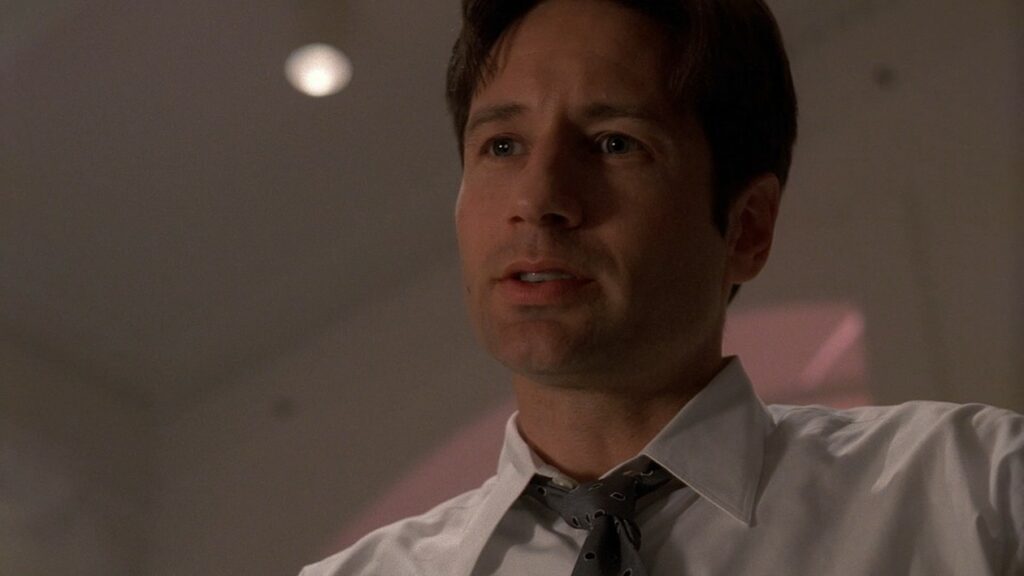
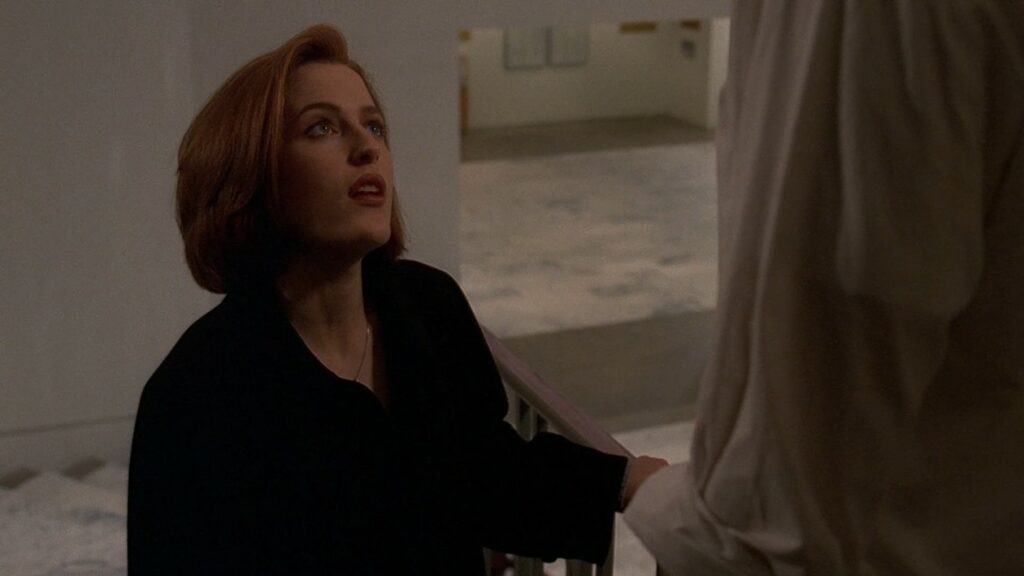
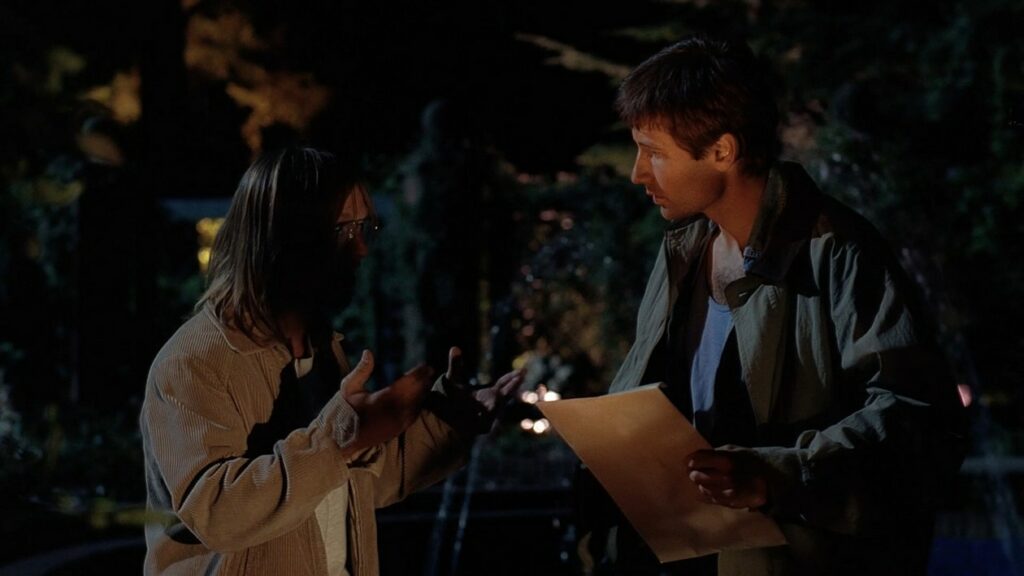
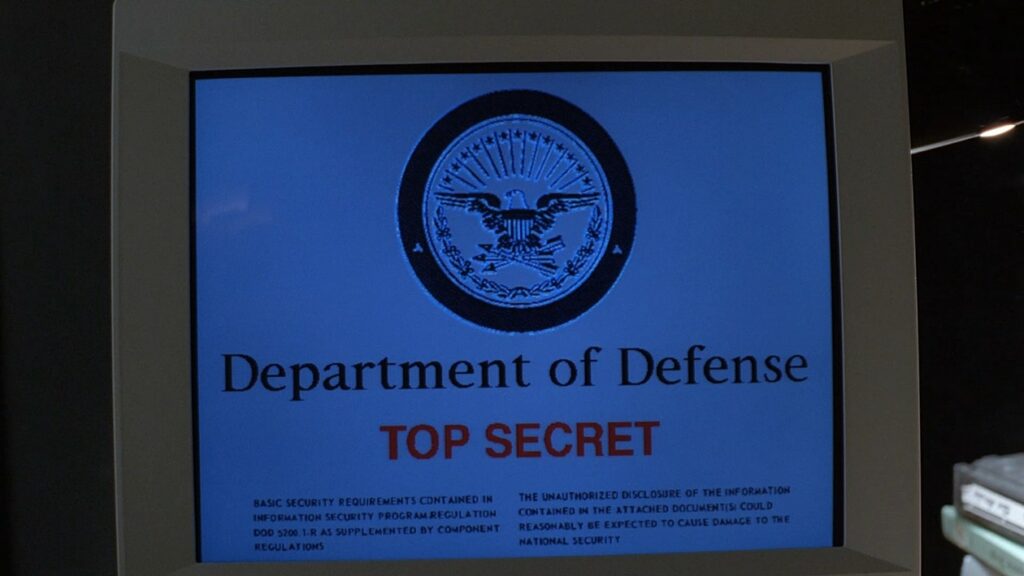
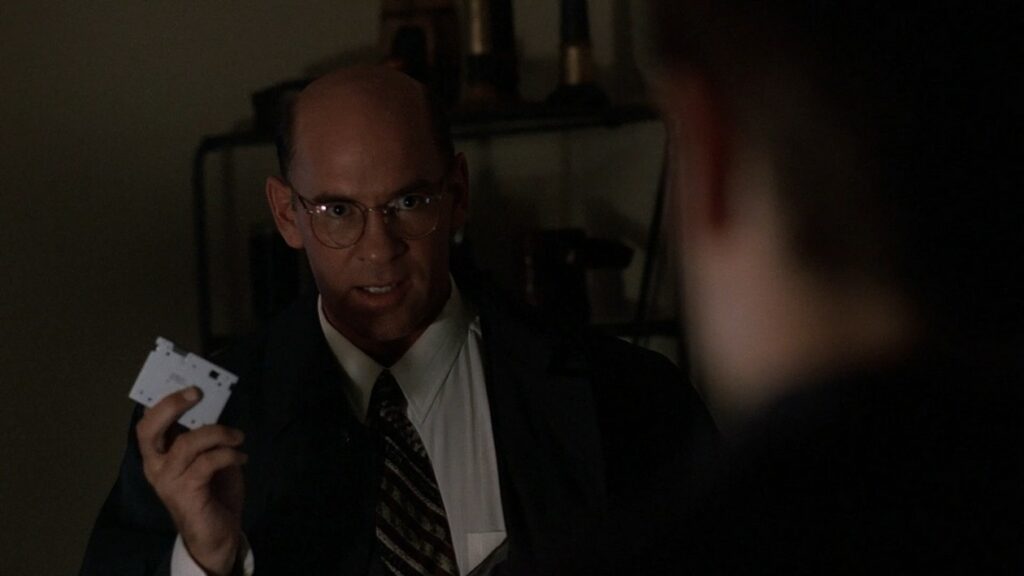
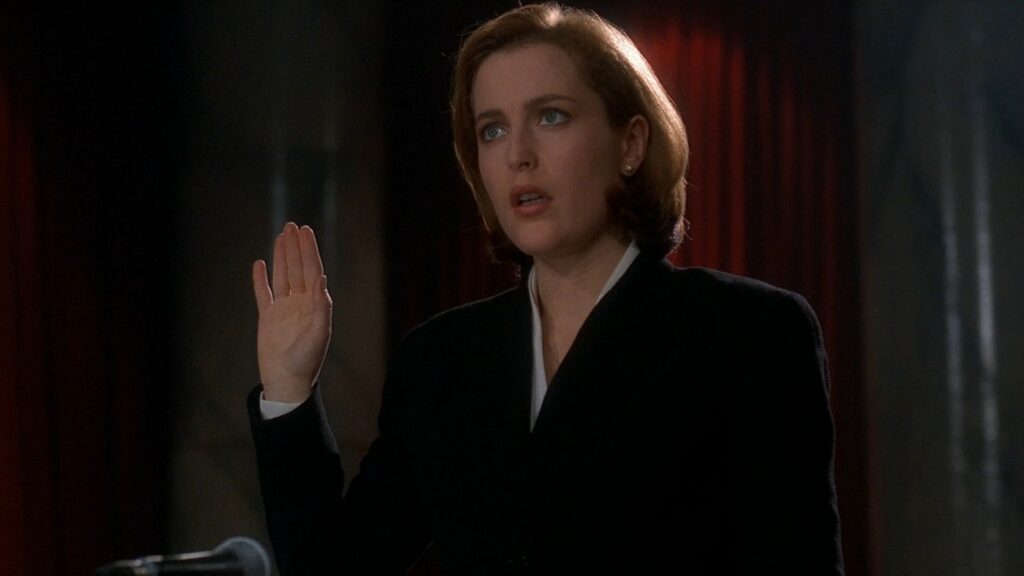
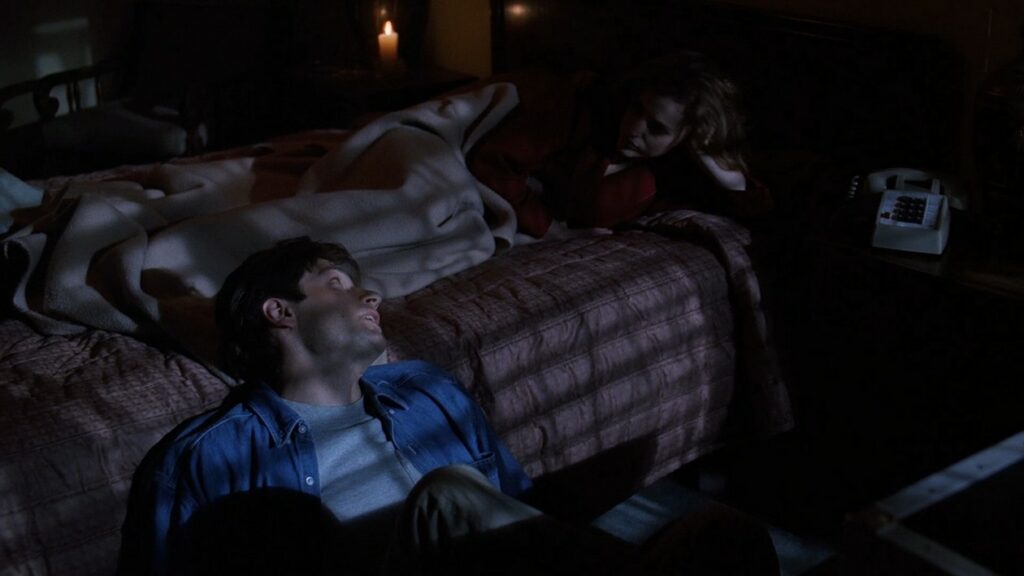
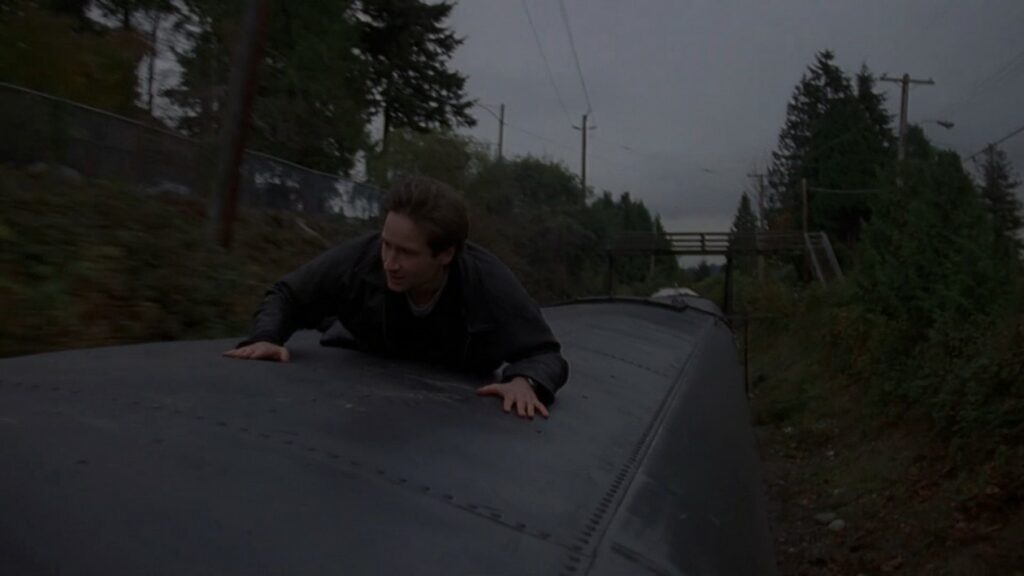
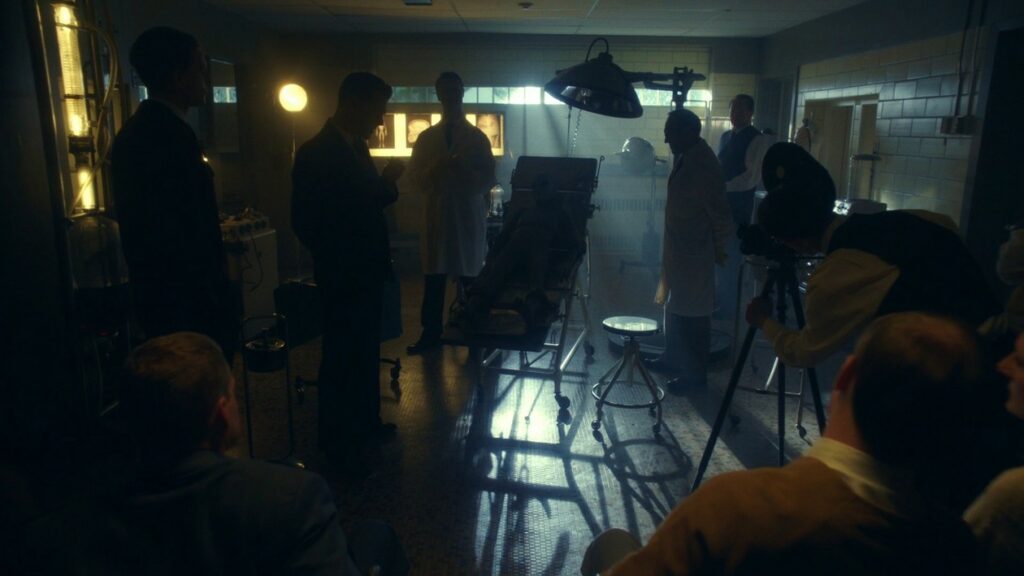
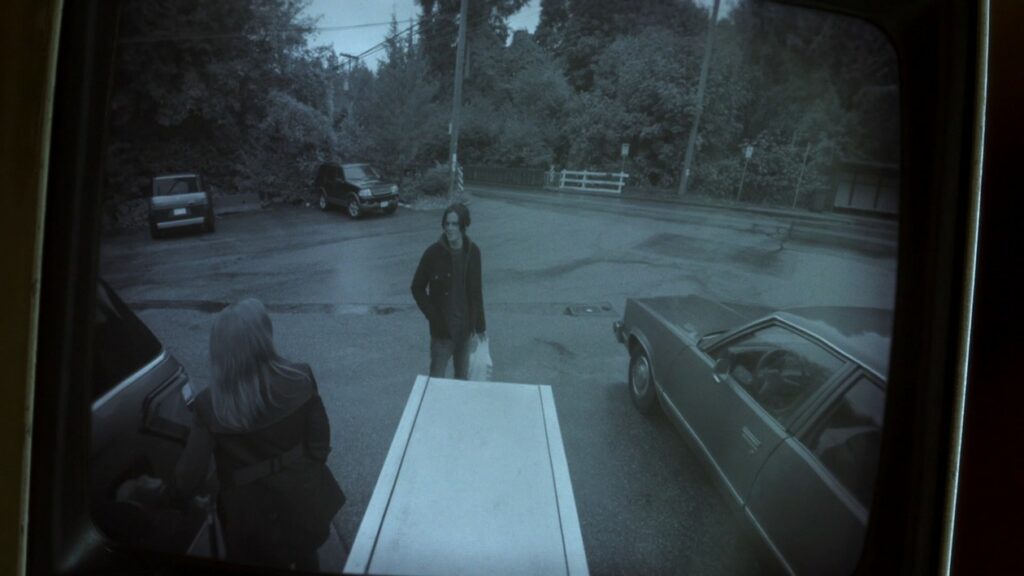
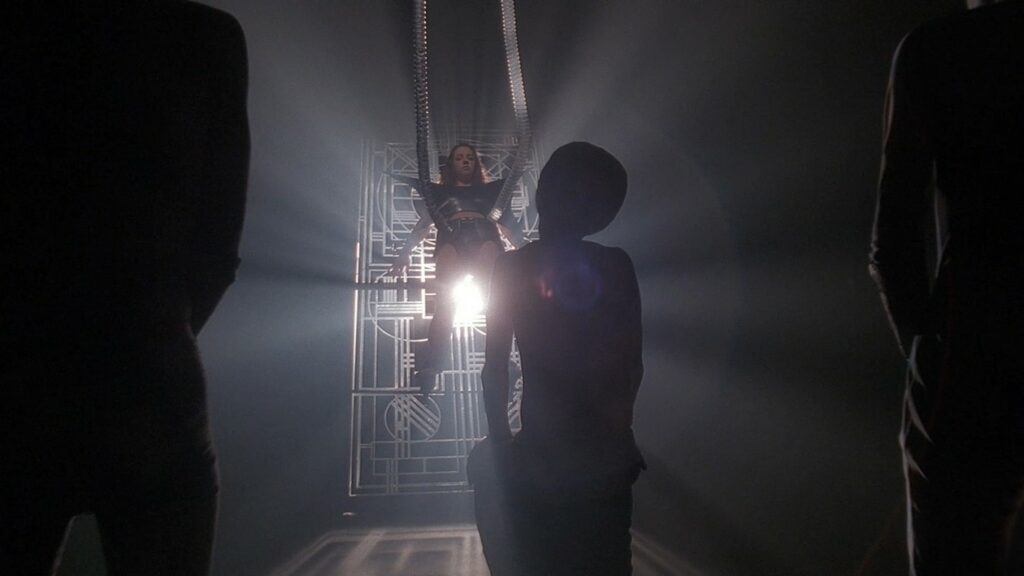
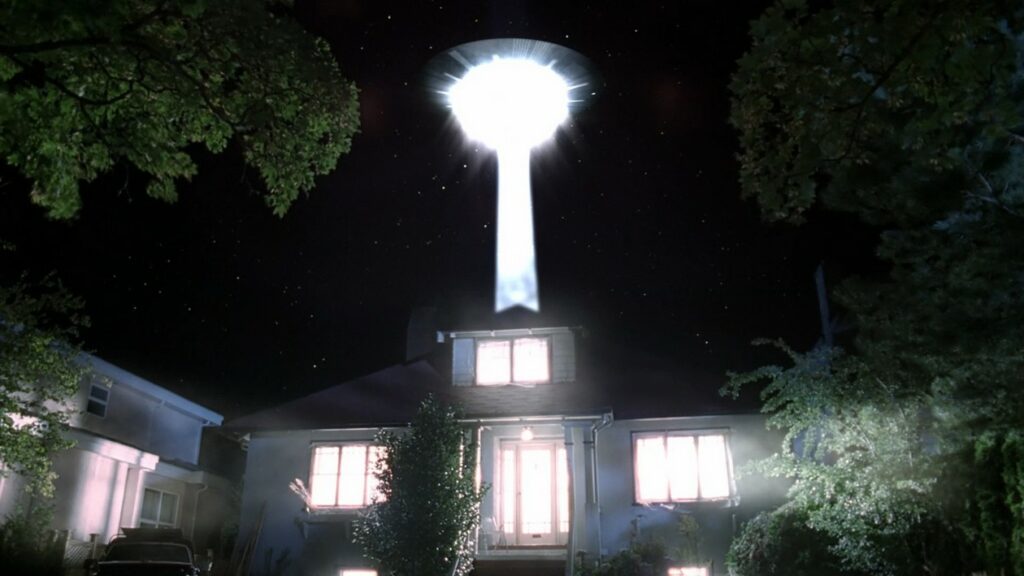
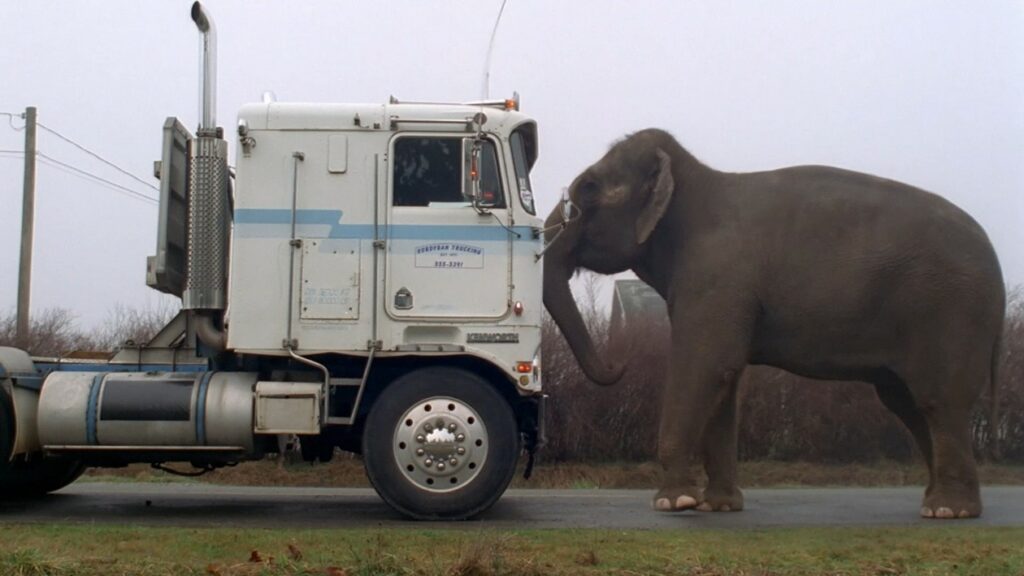
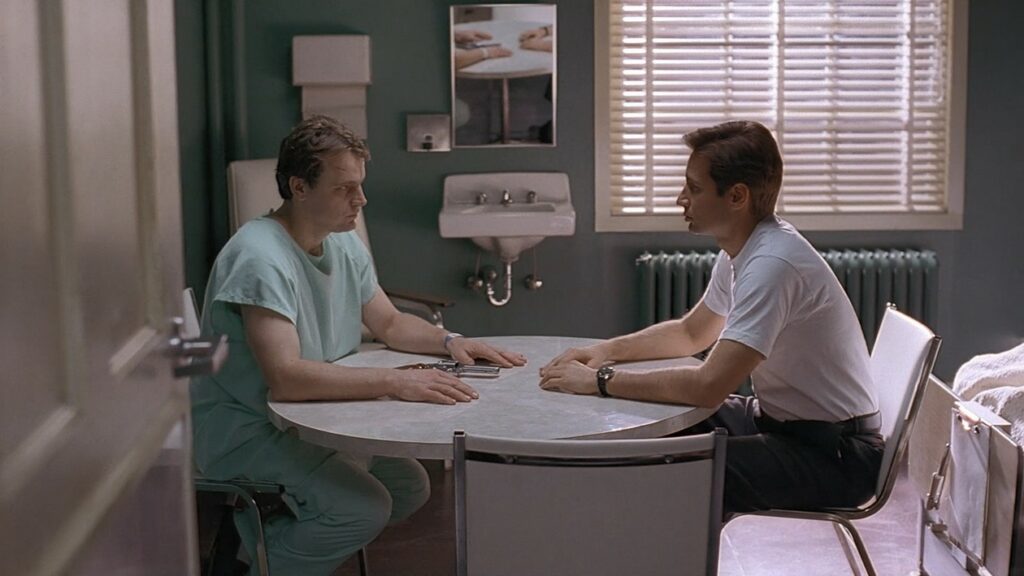
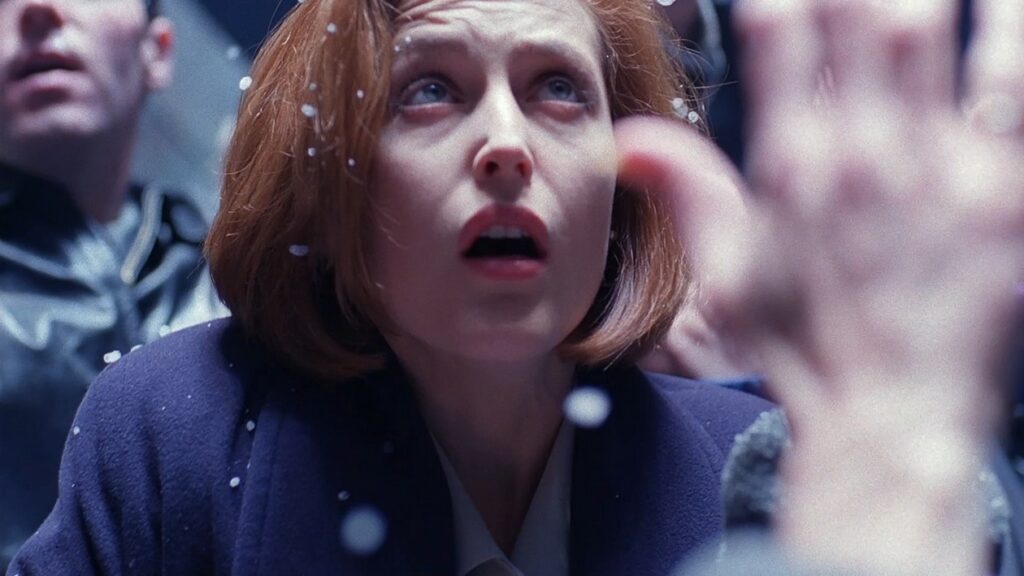
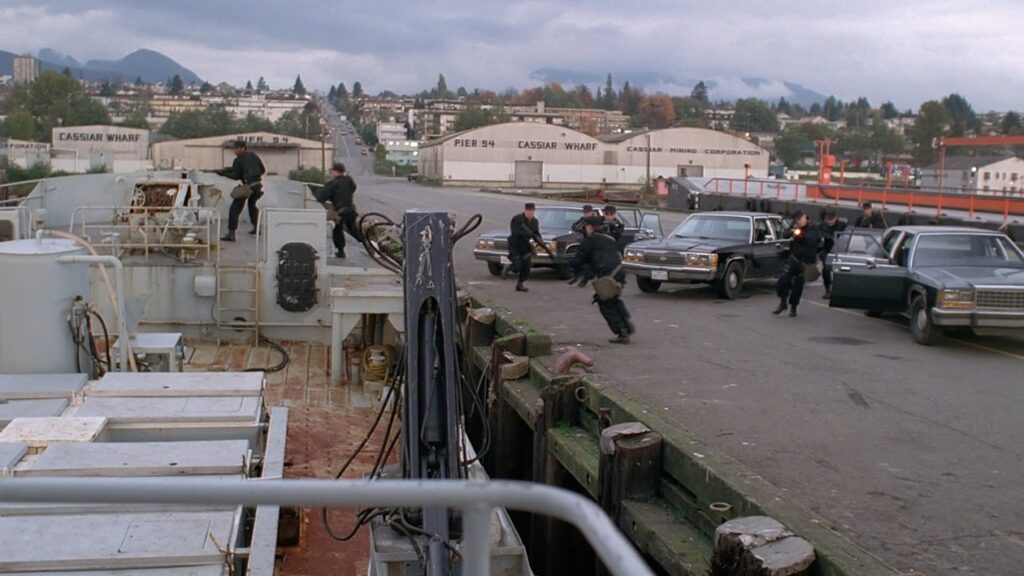
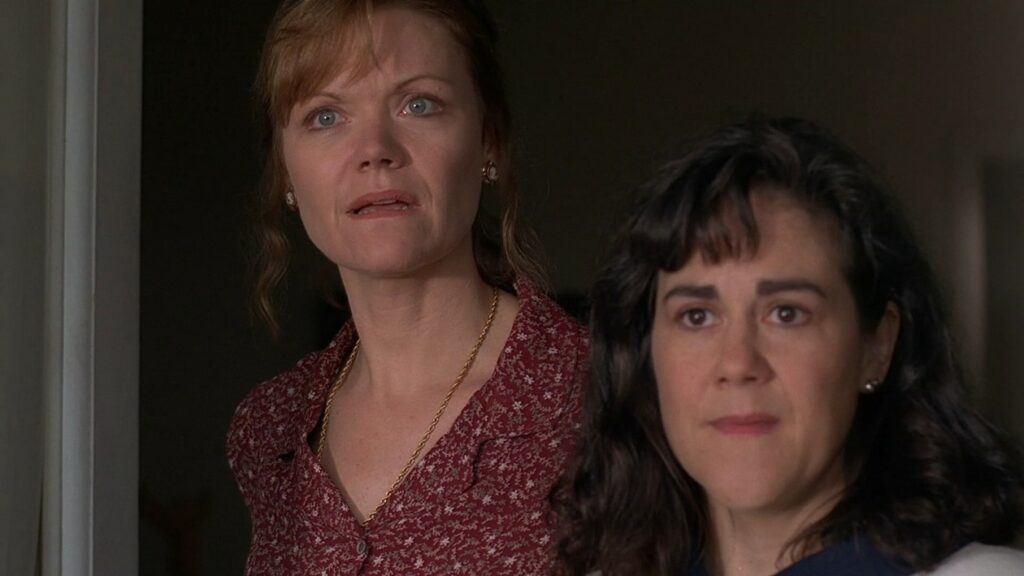
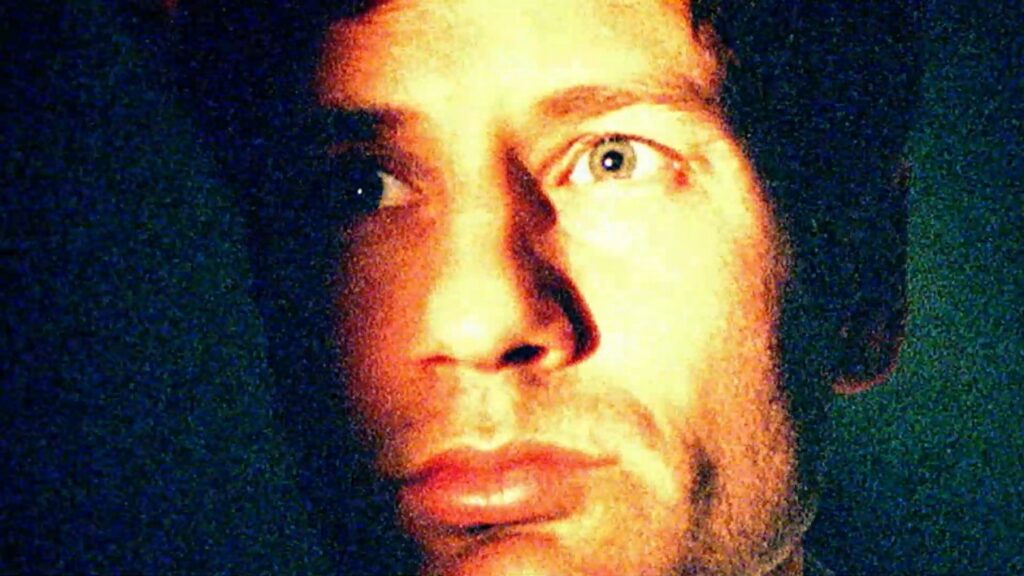
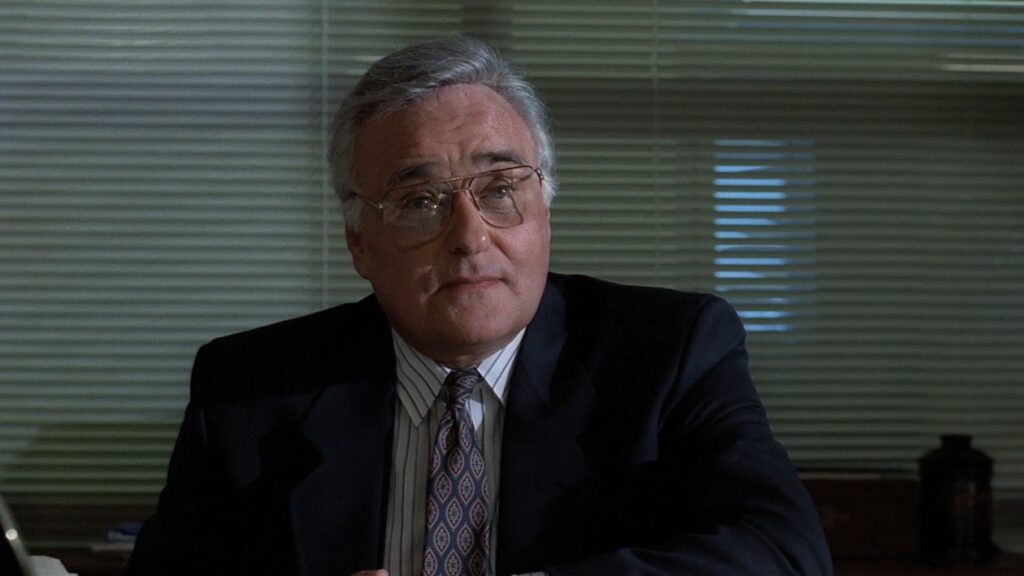
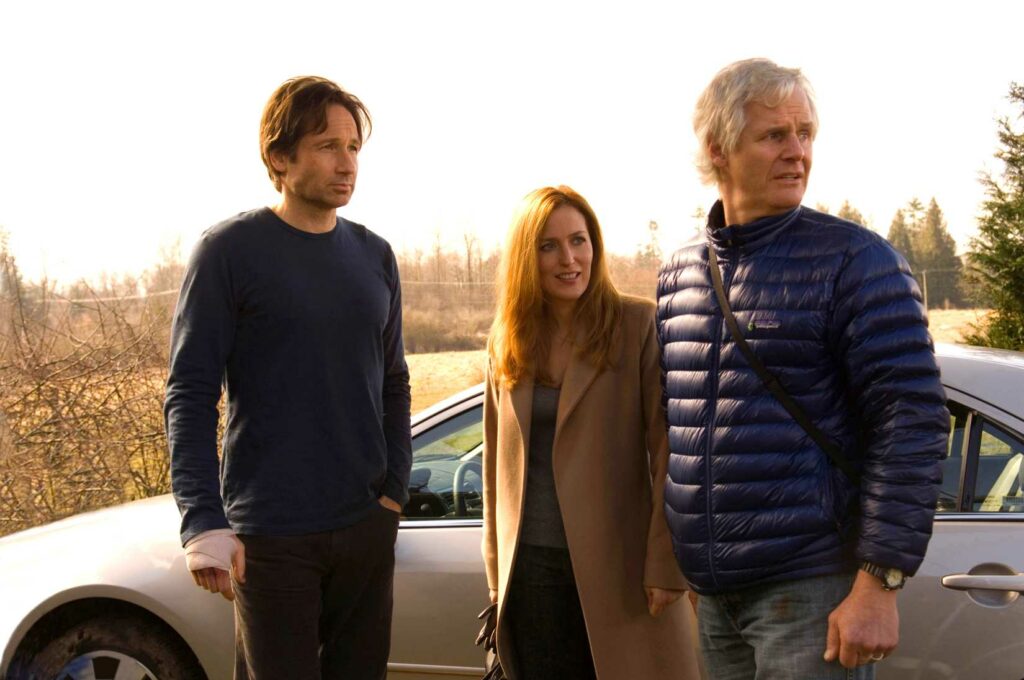
As I was watching Disclosure Day, it was impossible not to think of The X-Files. Of course both tap from similar UFOlogy sources and Spielberg was himself in turn an influence on TXF, but the similarities here are even greater — to the point where Disclosure Day could easily be reimagined as a possible resolution for the series’ mythology, a finale film that never was! Mulder and Scully bringing disclosure and changing the world would have been a nice ending, even though the world’s relationship with news and objective truth has become so complicated since the 1990s that I’m not sure if this wish fulfillment from Spielberg can still deeply touch people. Sure, there are some issues with the film’s script, the film hardly breaks any new ground, the positivity around empathy is more Spielbergian than Carterian, and you might have your own ideas on who is manipulating who with this whole UAP business. However, consider all the images I attach here, and I won’t say more to avoid spoilers: common points go from the generic to the very specific…
I think his character could have been used more in the series, but he was a busy actor in theatre, TV and movies. Most relevant for TXF, he was the main antagonist in one of the big paranoid thrillers of the 1970s, Klute, where he acted opposite Donald Sutherland and Jane Fonda. I am guessing that Carter cast him because of that role.
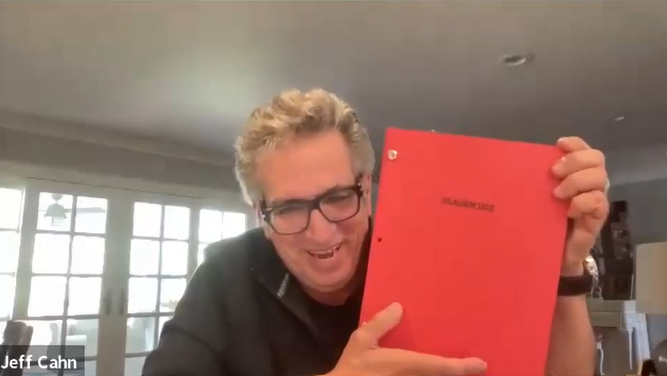
Here is a relatively recent (August 2025) interview with editor Jeff Cahn, by the X-Files Museum. An overall great guy and a fan of the show itself, he is full of behind the scenes stories beyond just about his role as assistant editor. He is credited for no less than 148 episodes of The X-Files over all seasons (s1-9) + on Fight the Future. His first credited episode was early season 1’s “Shadows”; essentially he has a credit on all episodes, except the first 2 seasons where rotating editing crews meant that he was on every other episode. Here are my notes.
He started working with Carl Sagan’s “Cosmos” in 1980! [I cannot recommend it enough!]
He was looking for work. Heather MacDougall (main editor of 60 episodes over s1-8 + s10) recruited him on Friday to start work on Monday. That same day he first watched TXF on TV, it was “Squeeze”. On Monday he congratulated Morgan & Wong, it was the first time they got praise and they were surprised.
He got a sense of the popularity of the show hearing people at malls and cafes, early on. The crew was surprised and relieved to get an order for the back 9 episodes of season 1. [Initially only 12 episodes were ordered after the pilot.]
Mary Astadourian [Carter’s assistant, then Ten Thirteen vice-president] wanted TXF to have a presence on the internet. She urged him and assistant editor Sue Kesler to go online to chat with fans, on Delphi, AOL. He got fans invited to Ten Thirteen parties.
For the first 2 years they had 3 teams of main editors and assistants working on 3 episodes at any point in time. Later, the 2 assistant editors were working on all episodes at once. [The editor/assistant couples were Heather & Jeff, Steve Mark & Sue.]
This was the first show he worked on that he was a fan of. He had access to the scripts early on, but he didn’t want to read them to spoil the entertainment.
“FTF”: he was the last one to get a script. Carter told him it was because he was talking to the fans, he didn’t want story details to come out. The script was printed on red paper, with the owner’s name stamped on each page, and the cover page saying “please don’t share details with others”. [pictured] Codename Blackwood. They were working on the editing for a year. There were storyboards and animatics. The special effects shots were the last thing that came in.
There were not that many special effects. They would call in Mat Beck [VFX producer] and give him start and end time codes for each shot. “First Person Shooter” had the most, with 100 visual effects shots.
During season 6 he would walk down to the set. He remembers the shooting of “First Person Shooter”, with Maitreya shooting machine guns.
He went to the studio where the “FTF” Antarctica scenes were being shot, the ice box, DD & GA were running and were freezing.
Mary Astadourian presented him Mitch Pileggi just when he got hired, he went to have drinks with him on Pico Boulevard.
When they moved to LA, David and Dean Haglund would hang around the editing room. David was an extrovert, Gillian an introvert. When David was directing the editing room door was open; when it was Gillian it was closed.
He was on set when Darren McGavin worked for the last time. [“The Unnatural”] He shot his scenes, went home, had a stroke.
He imitated Jon Landau’s voice for ADR for “FTF”; Jon later congratulated him.
He came up with the name “The Wongs” for Glen & Jim. Joanne Service [Carter’s assistant] laughed, word of it got to Canada, it stuck.
He told Carter that his directing job on “The List” was “just OK”. He expected to be fired. But Carter gave him a promotion instead! He supervised the editing of all 9 seasons for syndication.
Carter is “old school”. He doesn’t want overwhelming music or sound effects. He wants to feel the scene, the acting, the editing. Frank Spotnitz has a good vibe, he is always smiling. Carter’s door was always open. Carter drove a white Toyota SUV with a surf board.
One Saturday, Carter was rewriting “Alpha”. He wrote in a character named after him, Jeffrey Cahn, but Jeff told Chris that nobody actually mentions the name in the dialogue. By the time the episode was finished, Mulder says the name several times.
Writers would forget details, like when did Mulder last use his flashlight. They’d ask him, and he would go online and ask the fans, he got replies instantly.
The day after “Home” aired, he was with Michael Stern [“Home” editor], Kim Manners walked in and said this is never going to be shown again.
They’d work a lot and late, to 11 pm, 1 am. Carter and Spotnitz would wait for a VHS to show to somebody, the producer cut, the studio cut, etc. One night at like 1 am he tripped on the power cord of the Avid, and they had to start all over again. [Note to Gen Z: VHS recording happens in real time, there is no way to accelerate the process like when copying a digital file.]
The writers eventually got themselves in corner. He told Carter that the mythology was getting too convoluted. He was not a fan of the William storyline.
They were all proud of working on the show. Even the security guard at the studio lot had printed business cards with his name and TXF logo!
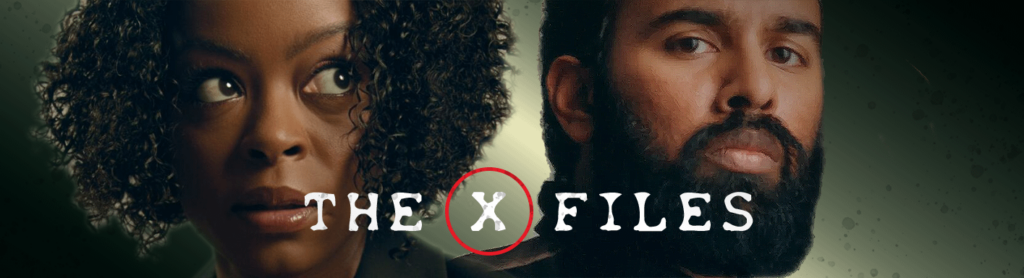
Working title: ALPHABET SOUP. Shooting will take place from 11 May to 11 June. That’s one full month, that’s twice as much that the 1993 pilot got (!) but typical for such a production nowadays. Way too early to put a date on airing, as no additional episodes have been ordered yet. I think it’s impossible for a modern series with 8-10 episodes per season to revive the vibe of a 90s era series, but it is what it is.
Casting call revealed some of the characters names and profiles for the pilot: several Indigenous characters, a biker gang, a missing woman investigation, a young girl. Combined with the Vancouver forest and something supernatural, this sounds just right.
More cast was revealed for the pilot: Amy Madigan, Steve Buscemi, Ben Foster, Devery Jacobs, Lochlyn Munro, Tantoo Cardinal, Joel D. Montgrand and Sofia Grace Clifton. These are some important names, this big production will feel quite different from the little unknown show that came out of nowhere in 1993. Disney is putting good money in this and this bodes well for a full series order. Some of these map well with the characters on the cast call, some not. Quite likely many of these are characters just for the pilot, not recurring characters.
Director of photography Autumn Durald Arkapaw has posted some photos from Vancouver, nothing revealing of course, apart perhaps from a vintage car that could hint at a scene taking place in the 1960s
Back in December, Coogler was writing scripts: “I’m a movie person, and I’m learning to be a television person right now.”
Also, “original series” actors weigh in on the reboot:
David Duchovny: “I’ve spoken to Ryan, and I have a general sense of what it is, but I haven’t read the script.” “There have been talks about certain things, but there’s nothing concrete at this point.” “I wish them luck.” This is very unlike Gillian Anderson who has read the pilot script and heaps praise on Coogler, laying the groundwork for being cast. This reboot sounds like it will be its own thing, and maybe in some future there could be cameos. Which is fine, it needs to stand on its own. (Hollywood Reporter & TV Insider)
Robert Patrick: “I can’t imagine them wanting John Doggett in this reboot. I am excited to see what he does with it and sees where he takes it.” (Comic Book)
James Pickens Jr: “I’d love to see if I could peek in and bring Alvin Kersh back.” (Gold Derby)
I expect some official photo from behind the scenes of the pilot to surface soon, stay tuned!
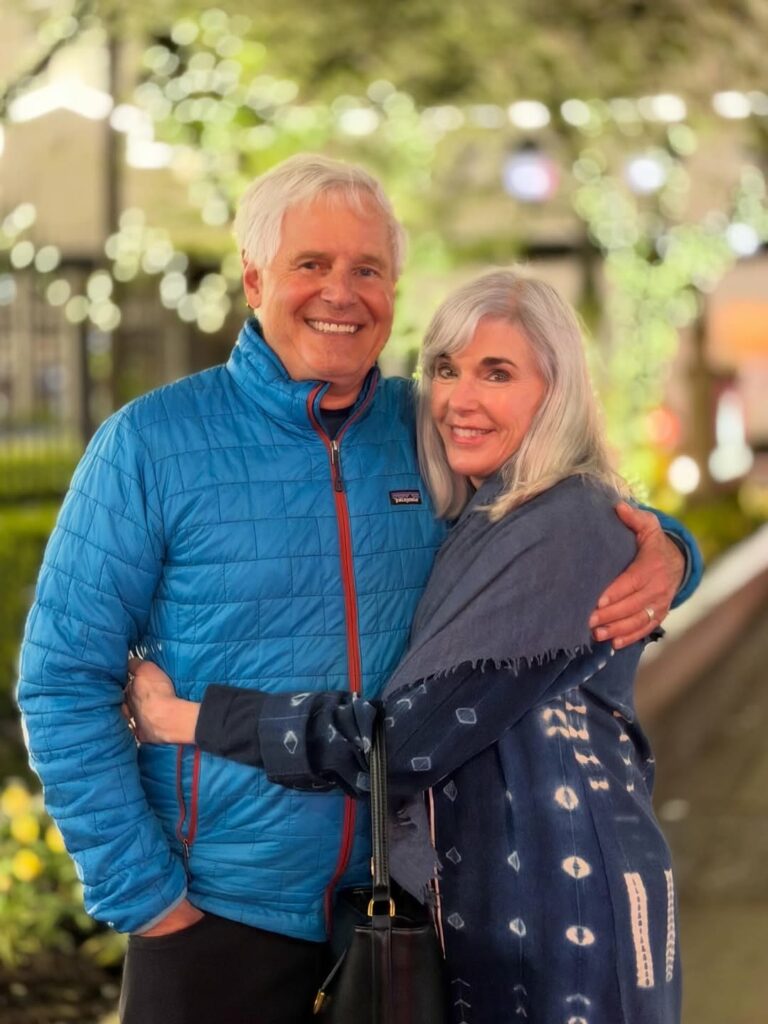
You heard it here first! “Queens For A Day” is the title of Chris Carter’s next project: a movie he is directing and that he co-wrote with his wife Dori Pierson, and whose shooting already wrapped one month ago!
Director of photography Craig Wrobleski broke the news with an Instagram post dated April 5 2026:
“Just before Christmas of last year, Chris called out of the blue (very Chris) to ask if I would like to shoot a movie he and Dori were putting together called Queens for a Day. Of course I said yes and was sent the most beautiful script filled with heart, humanity, comedy, heartbreak and timeless themes – one that kept revealing itself as you read it and, as we later learned, continued to offer up revelations with every shoot day. […] We just wrapped shooting on the film and it was one of the most unique and extraordinary experiences I’ve ever been a part of.”
Grace Gilroy is in the production team; she was a producer for TXF seasons 10 and 11
Casey Nelson-Zutter is in the production team; she was a location manager for TXF season 10 and a production manager for TXF season 11
from the above, we can say that filming took place in Vancouver, Canada
Nothing is known about what the film is about. The title is a riff on the 1940s American radio and TV game show and related comedy film, “Queen For A Day“, where contestants tell of their hardships and win prizes…
During an interview with the X-Cast recorded on November 23, 2025, Carter had said that he was about to embark on a new directing project. His wife wrote something about 35 years ago, it was optioned but never made. He found the script in their closet. She has updated it. They have found the perfect actress for it, it will excite TXF fans. They were searching for investors for it.
During an interview earlier in 2025, he said that he was writing a movie and that the script would be done by end of June. “It’s going to get made because it’s timely.” “I know where I want to make it, I know who I want to make it with.”
From the looks of it, the project went into production quite quickly, with filming taking place anywhere between December and early April. An Instagram post from Erin Boyes from February 16 could mean that filming only started around that time.
It is quite surprising that this information comes out of the blue, but it’s not unheard of, I hope that more information will start filtering out and we will get something more official.
I am very glad this has happened! Finally, Carter is doing something, his first project in 8 years and his first non-X-Files project in 12 years (since the pilot for “The After”). Now I hope something happens with this, because there is the odd precedent of “Fencewalker”, which was a project of his that was actually shot in 2008 but nothing came out of it. More to come as this develops.